
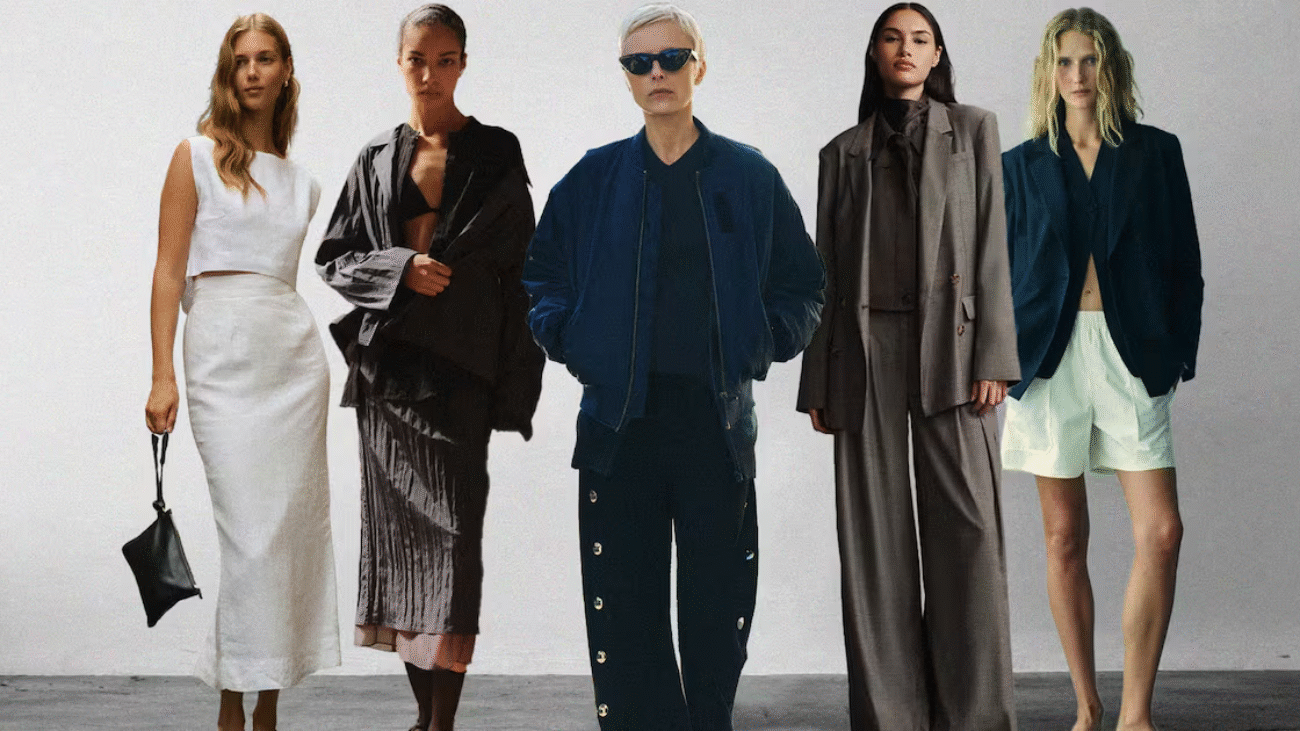
Fashion is everywhere. From the clothes we wear, the accessories we choose, to the hairstyles we sport, fashion is a part of our daily lives. But what exactly is fashion, and why is it so important? Many people see fashion simply as clothing, but it’s much more than that. Fashion is a form of self-expression, a reflection of culture, and even a statement about our personalities. In this article, we will explore the meaning of fashion, its significance, and why it matters in our lives.
What Is Fashion?
Fashion is the way people express themselves through clothing, accessories, hairstyles, and even behavior. It is constantly changing and evolving, influenced by culture, society, art, and technology. Fashion is not just about following trends; it’s about presenting yourself in a way that reflects who you are.
Some people think of fashion as the latest styles seen on the runway or in magazines, but it’s much broader. Fashion includes everyday clothing, traditional wear, street style, and even how people carry themselves. It is both personal and social. Personal, because it reflects individual taste, and social, because it often follows cultural or societal trends.
The History of Fashion
Fashion has been around for centuries. In ancient times, clothing was mostly practical, used to protect people from the weather. Over time, people began using clothing and accessories to show status, wealth, and identity. For example, in the Middle Ages, nobles wore luxurious fabrics like silk and velvet to show their wealth, while commoners wore simpler clothes.
During the Renaissance, fashion became more artistic and elaborate. The industrial revolution later made clothing more accessible to the general public, allowing ordinary people to participate in fashion trends. Today, fashion is a global industry, with designers, brands, and influencers shaping styles and trends worldwide.
Why Fashion Is Important
Fashion is important for many reasons, from personal confidence to cultural identity. Let’s explore some of these in detail.
1. Fashion Is a Form of Self-Expression
Fashion allows individuals to express who they are without saying a word. The colors, styles, and accessories someone chooses can say a lot about their personality, mood, or preferences. For example, a person wearing bold colors and patterns may want to stand out and show confidence, while someone wearing neutral or classic styles may prefer elegance and simplicity.
Through fashion, people can communicate emotions, creativity, and individuality. It’s like telling a story about yourself without using words.
2. Fashion Boosts Confidence
The right clothing can make a person feel more confident and empowered. When you feel good about what you’re wearing, it often reflects in your behavior and attitude. Fashion helps people present themselves in the way they want to be seen, whether in professional settings, social events, or casual life.
Confidence is important not only for personal happiness but also for success in careers and relationships. Fashion plays a key role in helping people feel comfortable and confident in their own skin.
3. Fashion Reflects Culture and Society
Fashion is closely tied to culture and social norms. Traditional clothing, such as the kimono in Japan, the sari in India, or the dashiki in West Africa, tells a story about cultural heritage and values. Fashion can also highlight social changes. For example, the rise of unisex clothing reflects the growing acceptance of gender equality.
By observing fashion trends, we can understand societal values, historical influences, and even political movements. Fashion is, therefore, not just about clothes—it is a mirror of society.
4. Fashion Encourages Creativity
Fashion is an art form. Designers experiment with fabrics, colors, textures, and patterns to create unique pieces that inspire creativity in others. Even ordinary people can use fashion creatively by mixing and matching clothes, accessorizing, or designing their own outfits.
Engaging with fashion allows people to explore new ideas, think outside the box, and express themselves creatively. This creativity is not limited to clothing but often influences art, photography, music, and other forms of expression.
5. Fashion Has Economic Importance
Fashion is a major global industry, providing jobs and income to millions of people. From designers and tailors to marketers and models, the fashion industry supports a wide range of careers. Fashion also drives tourism, trade, and retail markets.
Additionally, fashion encourages innovation in textiles, sustainable materials, and technology. For example, eco-friendly fabrics and ethical production practices are becoming increasingly important in the fashion world, highlighting its role in shaping a sustainable future.
6. Fashion Promotes Social Interaction
Fashion can bring people together. Social events, fashion shows, and online platforms allow people to share their styles and ideas. Fashion communities, both online and offline, encourage interaction, discussion, and collaboration.
It also allows people to connect over shared interests, whether it’s vintage clothing, streetwear, or luxury brands. Fashion can create a sense of belonging, helping people feel part of a community.
Fashion and Individual Identity
Fashion is not just about trends—it’s about identity. The way people dress can affect how others perceive them and how they perceive themselves. Clothes can give a sense of professionalism, creativity, or authority. Fashion allows individuals to experiment with their identity and evolve over time.
For example, someone may start by following mainstream trends and gradually develop a personal style that reflects their unique personality. This journey of self-discovery through fashion can be empowering and liberating.
The Role of Fashion in Everyday Life
Fashion impacts everyday life in subtle but important ways. It affects first impressions, influences social interactions, and can even improve mood. Wearing clothes that make you feel comfortable and confident can enhance productivity, positivity, and overall well-being.
Moreover, fashion allows people to celebrate milestones, express emotions, and mark special occasions. Weddings, festivals, and cultural ceremonies all highlight the role of fashion in our lives.
Conclusion
Fashion is much more than clothing. It is a form of self-expression, a reflection of culture, a boost for confidence, and a source of creativity and economic activity. Fashion connects people, tells stories, and allows individuals to express their identity in a visible way. Understanding fashion and its importance helps us appreciate not only what we wear but also the meaning behind it.
Whether you follow the latest trends or create your own unique style, fashion is a powerful tool that shapes our personal lives and society as a whole. By embracing fashion thoughtfully, we can express ourselves, celebrate culture, and make a statement about who we are.
Frequently Asked Questions (FAQs)
1. What is the main purpose of fashion?
Fashion serves as a form of self-expression, allowing individuals to reflect their personality, culture, and creativity. It also boosts confidence and helps people communicate non-verbally.
2. How does fashion affect confidence?
Wearing clothes that make you feel comfortable and stylish can positively impact your mood and behavior. When you feel good about your appearance, it often translates into higher self-esteem and confidence.
3. Is fashion only about trends?
No. While trends are a part of fashion, true fashion is about personal style, creativity, and cultural expression. Following trends is optional and not necessary to define your unique fashion sense.
4. How does fashion reflect culture?
Fashion often incorporates traditional clothing, fabrics, and designs unique to a particular region or community. It also reflects social changes, values, and historical influences, making it a mirror of society.
5. Why is fashion considered an art form?
Fashion combines creativity, design, and self-expression. Designers use colors, fabrics, and patterns to create visually appealing and innovative pieces, similar to painting or sculpture, making fashion a form of wearable art.