
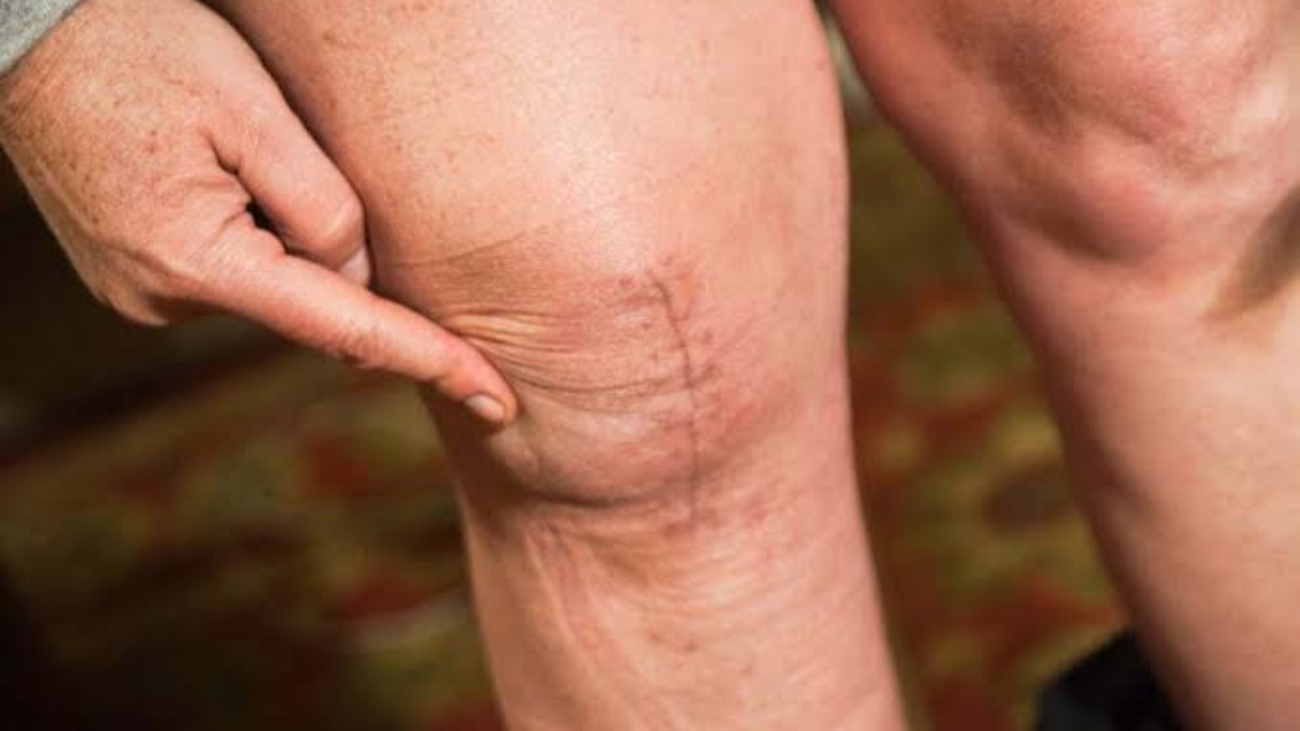
Knee pain that lingers can affect daily routines. When joint damage reaches an advanced stage, people may explore surgical options. Knee replacement is a commonly performed orthopedic procedure, and it aims to restore the joint’s mobility and reduce discomfort. Learning what the surgery involves, which conditions it addresses, and what it involves can help you feel more prepared when speaking with a healthcare provider.
What Is Knee Replacement?
Knee replacement is a surgical procedure in which a surgeon removes damaged or worn portions of the knee joint; the surgeon then replaces these portions with artificial components. The knee functions as a hinge, allowing the leg to bend and straighten. The smooth cartilage that cushions the joint can wear down over time, leading to friction between bones. A replacement aims to recreate a stable, functioning surface so the joint may move with less resistance.
There are two general approaches. A total knee replacement addresses the entire joint, but a partial knee replacement targets only the damaged section. The choice depends on the extent of the damage, as well as a surgeon’s evaluation of each patient’s situation.
Who Is It For?
Several joint conditions may lead a person and their care team to discuss knee replacement. Osteoarthritis ranks among the most frequent reasons, and it develops as protective cartilage gradually breaks down. Rheumatoid arthritis, an autoimmune disorder that causes joint inflammation, may also contribute to joint deterioration. Injuries from accidents or sports can damage the joint enough that surgery becomes a viable option.
People who explore this procedure may report a combination of symptoms, including:
- Knee pain that continues during rest or at night
- Stiffness that limits bending or straightening the leg
- Swelling that does not respond to medication or rest
- Difficulty walking or standing
- Sense of instability in the knee
Individuals can try nonsurgical options first; this includes physical therapy and medication. When these approaches no longer provide relief and daily activities become difficult, a surgeon may discuss whether a replacement is a suitable next step. A provider will review medical history, imaging results, and personal goals before recommending any procedure.
What Does It Involve?
The surgical process usually begins with a thorough evaluation, including physical examination and imaging. On the day of surgery, patients receive anesthesia. During the operation, the surgeon removes the damaged cartilage and a small amount of underlying bone. The artificial components are then positioned and secured. The procedure often takes one to two hours, but timing varies based on complexity.
Recovery is a gradual process. Patients may begin gentle movement soon after surgery, often with guidance from a physical therapist. Rehabilitation plays a central role in rebuilding strength and range of motion. Early exercises may focus on simple movements, and they typically progress over weeks to more demanding activities.
Full recovery can span several weeks to months. During this period, patients typically attend follow-up appointments so their care team may monitor healing. Following the recommended rehabilitation plan can support better long-term results. Every recovery timeline differs, and outcomes depend on individual health and adherence to post-surgical guidance.
Seek Professional Joint Care
Knee replacement can be an option for people whose joint pain limits their quality of life, but this decision is made by you and a medical professional. An orthopedic specialist may assess your condition, explain your options, and outline what to expect at each stage. If ongoing knee pain interferes with your daily activities, booking a consultation is a practical first step.