
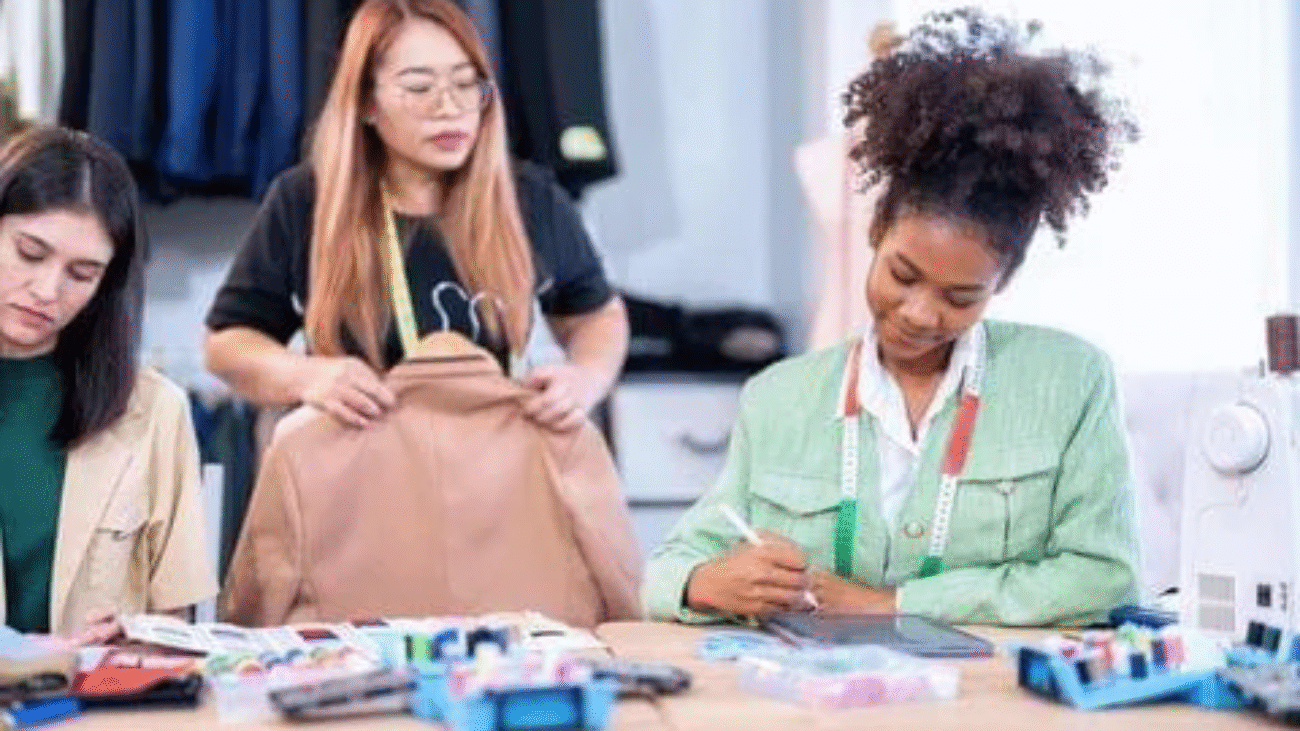
Fashion is more than just clothing or style—it is a reflection of who we are, how we feel, and even how society evolves. In modern society, fashion has become an integral part of daily life. From the clothes we wear to the accessories we choose, fashion impacts our identity, social interactions, and even our mindset. But why is fashion so important today? Let’s explore the many ways fashion shapes modern society.
Fashion as a Form of Self-Expression
One of the primary reasons fashion is significant is that it allows people to express themselves. Clothing is not just a necessity for protection against weather—it is a canvas for individuality. Modern society celebrates diversity, and fashion provides a platform for people to showcase their personality, culture, and creativity.
For instance, someone wearing bright, bold colors may express confidence and energy, while someone choosing minimalist styles may indicate simplicity and elegance. Fashion allows people to communicate without words. In an era where personal identity is highly valued, clothing becomes a powerful tool for self-expression.
Fashion and Cultural Identity
Fashion also plays a vital role in representing cultural identity. Traditional clothing often tells stories about a community’s history, beliefs, and traditions. In today’s interconnected world, people use fashion to celebrate their heritage while blending modern trends. This mix of old and new allows society to stay connected to its roots while embracing global influences.
Cultural fashion trends, like African prints, Japanese kimonos, or Indian sarees, are now recognized globally. Fashion becomes a bridge between cultures, fostering understanding and appreciation in a diverse society.
Fashion and Confidence
How we dress affects how we feel. Wearing clothes that make us feel good can boost confidence and self-esteem. In modern society, where first impressions are vital, fashion helps individuals present themselves in a way that reflects their personality and aspirations.
For example, dressing professionally for a job interview can enhance confidence and leave a positive impression on potential employers. Similarly, wearing casual yet stylish clothes can make social interactions more comfortable. Fashion, in this sense, is not superficial—it is a tool that empowers people to feel their best.
Fashion and Social Status
Fashion has historically been linked to social status, and this connection continues today. Designer labels, luxury brands, and exclusive styles often indicate wealth, social class, or influence. While fashion should not define a person, society often interprets clothing choices as a reflection of status.
However, modern fashion is also democratizing. Social media influencers, streetwear brands, and fast fashion make trends accessible to many. This shift allows fashion to be less about exclusivity and more about creativity, individuality, and personal taste.
Fashion and Career Opportunities
In today’s professional world, fashion can affect career prospects. The concept of “dressing for success” is not just a saying—it’s a reality. How one dresses can impact networking opportunities, promotions, and workplace interactions.
Many industries, such as fashion, media, marketing, and hospitality, place extra importance on appearance and style. Even outside these industries, dressing appropriately and stylishly can enhance credibility, communication, and overall impression. In essence, fashion can subtly influence how society perceives a person professionally.
Fashion as a Reflection of Society
Fashion often mirrors societal changes, trends, and values. From the 1960s’ counterculture styles to today’s sustainability-focused fashion, clothing reflects what society prioritizes at a particular time. Modern fashion trends are influenced by technology, social media, global movements, and changing lifestyles.
For example, the rise of sustainable fashion reflects growing awareness about environmental responsibility. Similarly, gender-neutral clothing trends indicate society’s evolving views on identity and inclusivity. By observing fashion, we can gain insights into society’s values, challenges, and progress.
Fashion and Creativity
Fashion is a form of art. Designers, stylists, and fashion enthusiasts use clothing, colors, patterns, and accessories to create unique looks. In modern society, creativity is highly celebrated, and fashion provides a platform for it.
Fashion shows, online tutorials, and social media platforms allow people to experiment and share their ideas. This creativity encourages individuality while inspiring others. Fashion becomes a cycle of innovation, expression, and influence, contributing to the vibrancy of modern culture.
Fashion and Mental Wellbeing
It may surprise some, but fashion can positively impact mental health. Dressing in a way that reflects personal style can uplift mood, reduce stress, and enhance motivation. Studies show that clothing affects behavior and mindset—a concept called “enclothed cognition.”
When people feel good in what they wear, they are more likely to be confident, productive, and socially engaged. In a fast-paced modern world, fashion serves as a small but powerful way to improve mental wellbeing.
Fashion and Globalization
Globalization has significantly increased the influence of fashion. Today, trends spread rapidly through social media, online shopping, and international collaborations. People from different countries can experience diverse styles and cultures in real time.
This global exchange makes fashion more dynamic and inclusive. It allows people to blend traditions with modern trends, creating unique looks that reflect both personal and global identity. Fashion, therefore, is not just local—it is a worldwide conversation.
Conclusion
Fashion in modern society is much more than a superficial concern. It is a vital part of self-expression, cultural identity, confidence, social interaction, creativity, and even mental health. It mirrors societal changes, celebrates individuality, and provides a sense of belonging.
As society continues to evolve, fashion will remain a powerful tool for communication, creativity, and empowerment. Whether for personal expression, professional growth, or cultural pride, fashion has cemented its importance in the modern world. Understanding and appreciating its role helps us see clothing not just as fabric but as a reflection of who we are and the society we live in.
FAQs About Fashion in Modern Society
1. Why is fashion important in modern society?
Fashion is important because it allows self-expression, reflects cultural identity, boosts confidence, influences social interactions, and mirrors societal trends.
2. Does fashion affect mental health?
Yes, dressing in a way that aligns with personal style can boost confidence, reduce stress, and improve overall mental wellbeing.
3. How does fashion reflect society?
Fashion reflects society by showcasing cultural trends, values, and changes over time, such as sustainability, gender inclusivity, and technological influences.
4. Can fashion influence career opportunities?
Absolutely. Dressing appropriately and stylishly can affect first impressions, networking, credibility, and professional success.
5. Is fashion only about luxury brands?
No. While luxury brands are popular, fashion is also about creativity, individuality, and personal expression, accessible through affordable trends and DIY styles.