
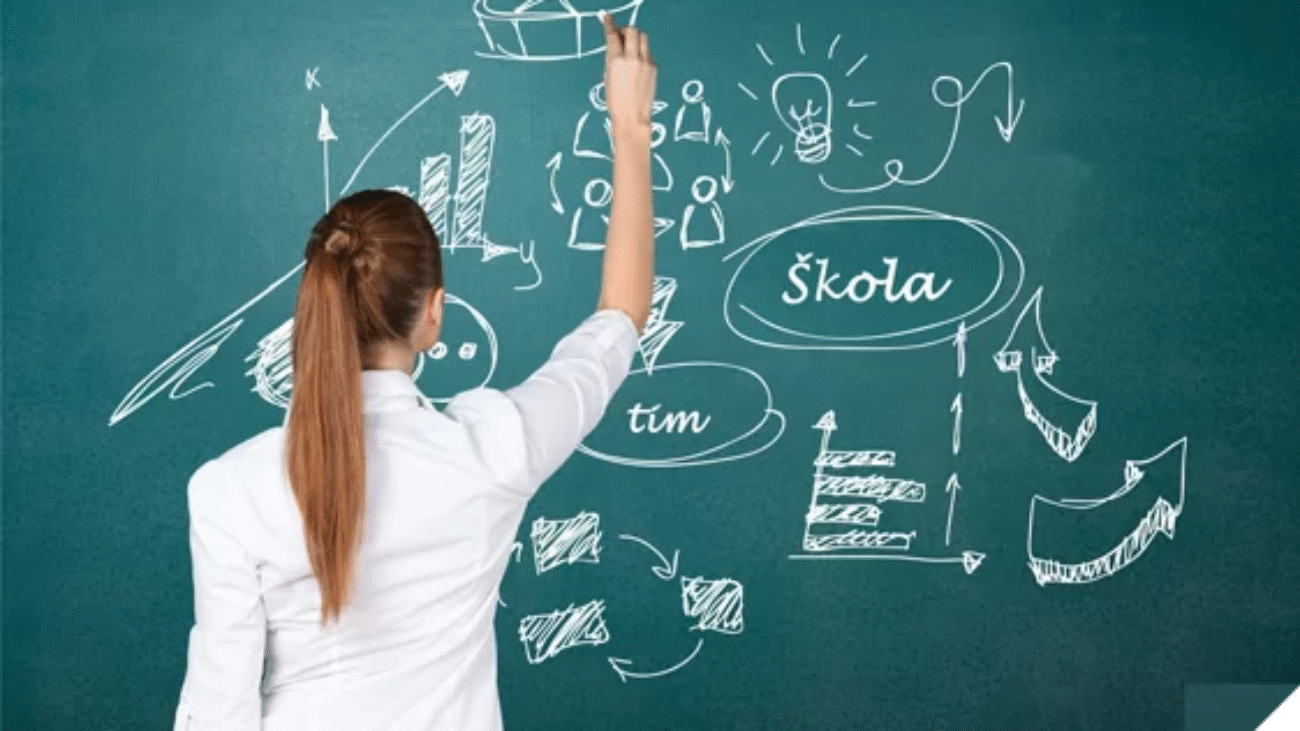
Education is the foundation of human development and progress. It shapes our minds, opens doors to opportunities, and builds the society we live in. In modern society, the role of education is more critical than ever. With rapid advancements in technology, globalization, and social change, education is no longer just about learning facts from books. It is about preparing individuals to live successfully, think critically, and contribute meaningfully to the world.
Why Education Matters
Education matters because it transforms individuals and society. On a personal level, education equips people with knowledge and skills to improve their lives. It helps individuals understand the world around them, make informed decisions, and achieve personal goals. For example, someone who is educated can pursue a career, understand health information, and participate actively in society.
On a societal level, education plays a crucial role in building communities and nations. Countries with high literacy rates and educated populations tend to have better economies, stronger governance, and healthier societies. Education helps reduce poverty, promote equality, and ensure social stability. In modern society, where information is power, education is the key to access that power responsibly.
Education and Economic Growth
One of the most direct benefits of education is its impact on economic growth. Educated individuals are more likely to find jobs, start businesses, and contribute to the economy. They also tend to be more innovative and capable of adapting to new technologies. For instance, in industries like IT, healthcare, and engineering, education is essential for creating skilled professionals who drive development and innovation.
Furthermore, education reduces unemployment and increases income opportunities. When people are educated, they can perform complex tasks, solve problems efficiently, and meet the demands of modern industries. This not only benefits individuals but also strengthens the economy as a whole.
Education and Social Development
Education also plays a vital role in social development. It teaches values, ethics, and responsibility. In schools and colleges, students learn about social norms, respect for others, and the importance of cooperation. These lessons help create responsible citizens who contribute positively to their communities.
Moreover, education promotes equality. It provides everyone, regardless of gender, background, or social status, with a fair chance to succeed. For example, educating girls and women has proven to have a profound impact on communities. Educated women are more likely to participate in the workforce, improve family health, and educate their children, creating a cycle of progress.
Education in the Age of Technology
Modern society is heavily influenced by technology. From smartphones to artificial intelligence, technology shapes how we communicate, work, and learn. Education is essential in preparing individuals to thrive in this environment. Digital literacy, problem-solving, and critical thinking are skills that modern education emphasizes, enabling students to navigate the digital world responsibly.
Moreover, online learning has made education more accessible than ever. People can now learn new skills, earn degrees, and gain knowledge from anywhere in the world. This flexibility allows lifelong learning, helping people stay relevant in an ever-changing job market.
Challenges in Modern Education
Despite its importance, education faces challenges in modern society. Access to quality education is still limited in many parts of the world. Poverty, social inequality, and lack of resources prevent many children from going to school. Even in developed countries, the cost of higher education and gaps in digital access can create barriers.
Another challenge is the need for education systems to keep up with rapid societal changes. Traditional teaching methods may not always prepare students for modern problems like climate change, technological disruption, or global health crises. Therefore, modern education must evolve to include critical thinking, creativity, and problem-solving, alongside traditional knowledge.
The Role of Educators
Teachers and educators play a critical role in shaping modern society. They are not only responsible for imparting knowledge but also for inspiring curiosity, fostering empathy, and encouraging innovation. A good teacher can ignite a lifelong love of learning and help students become thoughtful, responsible, and skilled individuals.
Parents and communities also play a role. Encouraging children to value education, providing resources, and supporting learning at home all contribute to successful education. Society benefits when education is seen as a shared responsibility, not just a task for schools.
Lifelong Learning: Beyond Schooling
Education in modern society is not limited to childhood or formal schooling. Lifelong learning has become essential. With fast-changing technology and industries, skills learned in school may not be enough for a lifetime. Adults must continuously learn new skills, adapt to new methods, and update their knowledge.
Lifelong learning also promotes personal growth. Reading, taking online courses, attending workshops, or learning a new language enhances mental flexibility, creativity, and confidence. In a world that changes rapidly, education as a continuous journey ensures that individuals remain empowered and relevant.
Education and Global Citizenship
In today’s interconnected world, education also fosters global citizenship. Understanding different cultures, promoting tolerance, and addressing global challenges require education that goes beyond local or national boundaries. Education encourages empathy, awareness, and collaboration, helping societies work together to solve problems like climate change, poverty, and conflict.
Conclusion
The importance of education in modern society cannot be overstated. It empowers individuals, strengthens communities, drives economic growth, and promotes social harmony. Education equips people with the knowledge, skills, and values necessary to navigate the complexities of the modern world. It is a lifelong journey that opens doors to opportunities, reduces inequalities, and creates a more just and prosperous society. In essence, investing in education is investing in the future.
FAQs about the Importance of Education in Modern Society
1. Why is education considered important in modern society?
Education is important because it equips individuals with knowledge, skills, and values to succeed personally and contribute positively to society. It also drives economic growth and social development.
2. How does education affect economic growth?
Education improves skills, increases productivity, and encourages innovation. Educated individuals are more likely to find employment and start businesses, which strengthens the economy.
3. Can education reduce social inequality?
Yes. Education provides equal opportunities for all, regardless of gender, background, or social status. It empowers marginalized groups and promotes social mobility.
4. What role does technology play in modern education?
Technology enhances access to education, enables online learning, and teaches digital literacy. It also helps students develop skills necessary for the modern workforce.
5. Why is lifelong learning important?
Lifelong learning allows individuals to adapt to changes in society, technology, and industries. It promotes personal growth, continuous skill development, and long-term career success.