
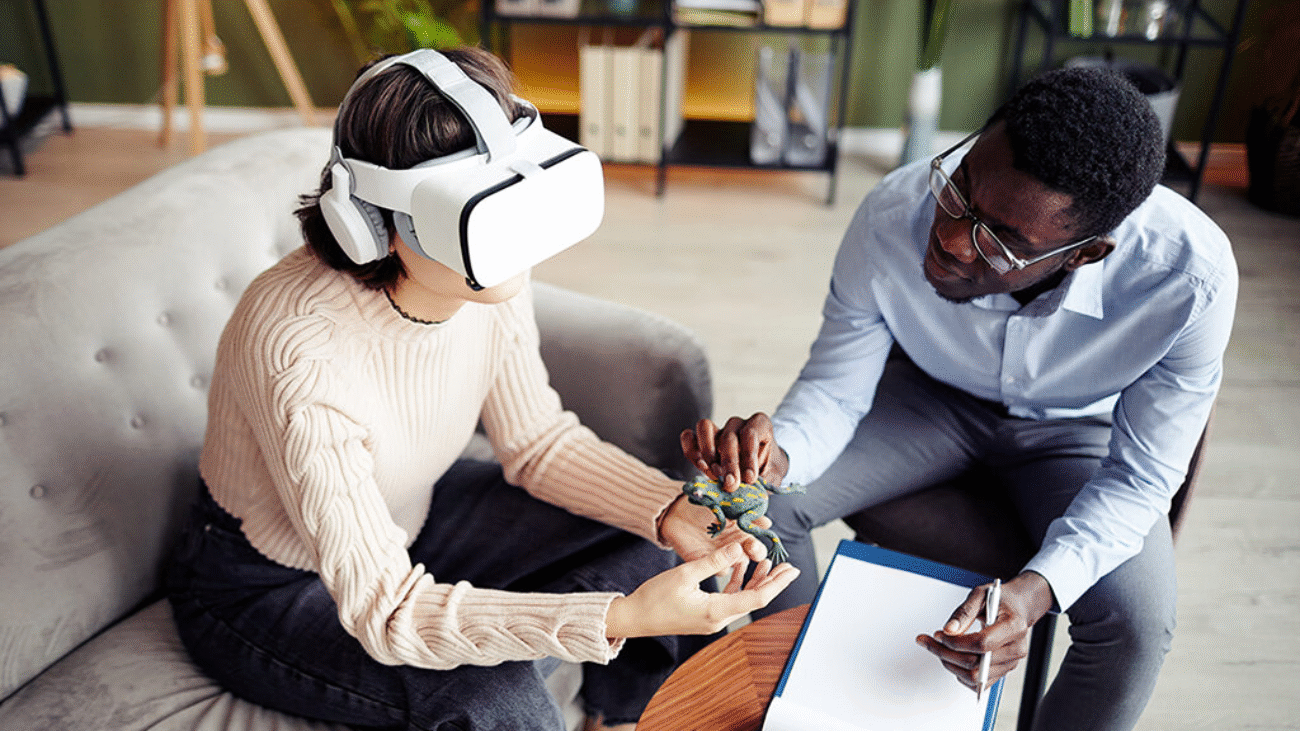
In today’s fast-paced world, entertainment plays a bigger role in our daily lives than ever before. From watching movies and TV shows to playing video games, listening to music, and scrolling through social media, people spend hours engaging with different forms of entertainment. But have you ever wondered how these activities affect your mental health? Surprisingly, the effects can be both positive and negative, depending on the type, frequency, and purpose of the entertainment. Understanding this connection is essential for maintaining emotional balance and overall mental well-being.
Positive Effects of Entertainment on Mental Health
Entertainment is not just about passing time; it can have real psychological benefits. Here are some ways entertainment can improve mental health:
1. Reduces Stress and Anxiety
One of the most immediate benefits of entertainment is stress relief. Watching a funny movie, listening to soothing music, or playing a favorite video game can help people relax and take their minds off worries. Laughter and enjoyment trigger the release of endorphins, the body’s natural “feel-good” chemicals. These endorphins reduce stress hormones like cortisol, helping you feel calmer and more relaxed.
2. Boosts Mood and Happiness
Engaging in enjoyable activities can improve overall mood. For example, music has the power to uplift spirits, evoke positive memories, and even encourage physical activity like dancing. Similarly, movies, books, or immersive games can transport the mind to a different world, offering a temporary escape from everyday problems. This mental break can lead to feelings of happiness and contentment.
3. Encourages Social Connection
Entertainment can also strengthen social bonds. Watching a popular TV show with friends, attending a concert, or joining online gaming communities allows people to connect with others who share similar interests. Social interaction is essential for mental health because it combats loneliness, builds a sense of belonging, and provides emotional support.
4. Stimulates the Brain
Certain types of entertainment, such as puzzles, strategy games, or educational content, can stimulate cognitive functions. These activities challenge memory, problem-solving skills, and critical thinking, keeping the brain active and engaged. For older adults, engaging in mentally stimulating entertainment can even reduce the risk of cognitive decline.
5. Provides Emotional Catharsis
Art, movies, and music can evoke strong emotions, offering a form of emotional release called catharsis. Experiencing emotions through a safe outlet allows individuals to process feelings such as sadness, fear, or joy without real-life consequences. This can be therapeutic and promote emotional regulation.
Negative Effects of Entertainment on Mental Health
While entertainment can have many benefits, overindulgence or inappropriate use may harm mental health. Awareness of these risks is important for maintaining a healthy balance.
1. Addiction and Overuse
Spending too much time on entertainment, especially digital media like video games or social media, can lead to addictive behaviors. Addiction to entertainment can interfere with work, school, relationships, and sleep patterns. It may also cause feelings of guilt, irritability, or depression when the activity is unavailable.
2. Increased Anxiety and Stress
Not all entertainment reduces stress. For instance, watching violent or disturbing content, doomscrolling through negative news, or engaging in competitive online games for long hours can increase anxiety and tension. Such activities can overstimulate the brain and keep it in a heightened state of alert, which is counterproductive for relaxation.
3. Social Isolation
Although entertainment can connect people, it can also isolate them. Excessive solitary gaming, binge-watching, or scrolling through social media may reduce face-to-face interactions. Over time, this can lead to loneliness, low self-esteem, and even depression, especially if online interactions replace real-life relationships.
4. Distorted Reality and Expectations
Movies, TV shows, and social media often portray idealized versions of life that are far from reality. Consuming too much of this content may create unrealistic expectations about appearance, relationships, success, or happiness. Constant comparison to these unrealistic standards can trigger feelings of inadequacy, jealousy, or anxiety.
5. Sleep Disruption
Late-night entertainment, particularly screen time from phones, tablets, or computers, can interfere with sleep quality. Blue light emitted by screens suppresses melatonin, a hormone responsible for regulating sleep. Poor sleep can worsen mood, decrease focus, and increase stress, creating a negative cycle that impacts mental health.
How to Use Entertainment Wisely for Mental Health
The key to benefiting from entertainment without harming mental health is balance and mindfulness. Here are some tips:
- Limit Screen Time: Set boundaries for daily entertainment, especially for social media and video games, to avoid overuse.
- Choose Positive Content: Engage with content that inspires, educates, or uplifts, rather than focusing solely on violent, negative, or stressful material.
- Mix Active and Passive Entertainment: Include physical activities like dancing or sports with passive entertainment like watching TV to maintain both mental and physical health.
- Engage Socially: Whenever possible, enjoy entertainment with others to strengthen relationships and reduce feelings of isolation.
- Reflect on Emotions: Pay attention to how certain content makes you feel. If something consistently triggers negative emotions, it may be better to avoid it.
- Balance with Real-Life Activities: Entertainment should complement a well-rounded life, including work, social interaction, hobbies, and self-care.
Conclusion
Entertainment is a double-edged sword when it comes to mental health. On one hand, it can relieve stress, improve mood, stimulate the brain, and foster social connections. On the other hand, excessive or inappropriate use may cause addiction, anxiety, social isolation, and unrealistic expectations. By being mindful of the type and amount of entertainment we consume, we can enjoy its benefits while protecting our mental well-being. Ultimately, the goal is to use entertainment as a tool for relaxation, growth, and happiness, rather than letting it control our lives.
FAQs
1. Can watching movies improve mental health?
Yes. Movies can reduce stress, evoke positive emotions, and offer a safe way to explore complex feelings, which can improve mental well-being.
2. Is playing video games harmful to mental health?
It depends. Moderate gaming can enhance problem-solving skills and reduce stress, but excessive gaming can lead to addiction, social isolation, and sleep problems.
3. How does music affect emotions?
Music can influence mood by triggering emotional responses, reducing stress, and even improving motivation. Different genres may evoke different feelings, from relaxation to excitement.
4. Can social media be good for mental health?
When used mindfully, social media can foster social connection, provide support, and offer entertainment. However, excessive use or comparison to unrealistic content can harm mental health.
5. What is the best way to balance entertainment and mental health?
Set limits on screen time, choose positive content, mix active and passive entertainment, engage socially, and pay attention to your emotional reactions to maintain a healthy balance.