Education is not one-size-fits-all. Over the years, many different types of educational programs have been developed to meet the unique needs, interests, and learning styles of students. Whether you are a parent, student, or lifelong learner, understanding the various educational programs available can help you make informed decisions about your learning journey. In this article, we will explore the main types of educational programs, their features, benefits, and how they can shape your learning experience.
1. Traditional Classroom Programs
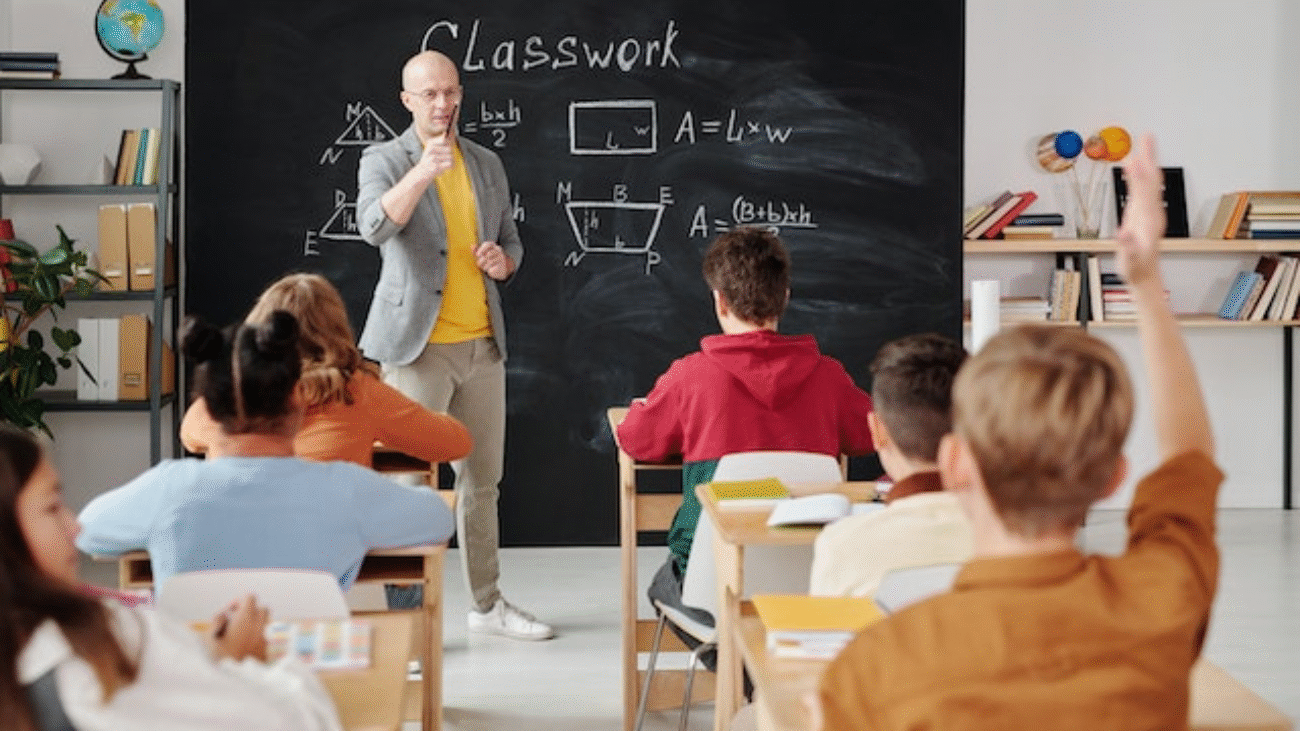
Traditional classroom programs are what most people think of when they hear the word “school.” These programs take place in a physical setting where students attend classes in person. Teachers lead lessons, guide discussions, and provide hands-on activities.
Features of Traditional Classroom Programs:
- Fixed schedule with specific start and end times
- Structured curriculum approved by educational authorities
- Interaction with teachers and classmates
- Access to school facilities like libraries, labs, and sports areas
Benefits:
- Encourages social interaction and teamwork
- Provides immediate feedback from teachers
- Suitable for students who thrive in structured environments
Traditional classroom programs are common in elementary schools, high schools, and universities. They are ideal for students who benefit from face-to-face learning and direct support from instructors.
2. Online Educational Programs
Online educational programs, also called e-learning, have gained popularity, especially in the last decade. These programs are delivered over the internet, allowing students to study from anywhere in the world.
Features of Online Programs:
- Flexible schedules that accommodate learners’ pace
- Access to multimedia learning materials like videos, quizzes, and articles
- Communication through discussion boards, chats, or video calls
- Often includes certificates or degrees upon completion
Benefits:
- Perfect for learners who need flexibility due to work or family commitments
- Enables self-paced learning, which helps students focus on their strengths
- Offers a wide variety of courses that might not be available locally
Online programs range from short courses and certifications to full degree programs. They are ideal for self-motivated learners who can manage their time efficiently.
3. Vocational and Technical Programs
Vocational and technical programs are designed for students who want practical skills for specific careers rather than academic degrees. These programs focus on “learning by doing,” preparing students for immediate employment.
Features:
- Hands-on training in areas like healthcare, automotive, IT, or construction
- Internships or apprenticeships with real-world experience
- Shorter duration compared to traditional degree programs
Benefits:
- Provides skills that are directly applicable in the job market
- Often more affordable than traditional college programs
- Can lead to high-paying and in-demand careers
Vocational programs are excellent for students who want to enter the workforce quickly or specialize in a particular trade.
4. Special Education Programs
Special education programs are tailored for students with disabilities or learning differences. These programs aim to provide a supportive environment where every student can succeed academically and socially.
Features:
- Individualized Education Plans (IEPs) tailored to each student
- Supportive teaching methods like visual aids, hands-on learning, or speech therapy
- Smaller class sizes for personalized attention
Benefits:
- Helps students with learning challenges reach their full potential
- Builds confidence and independence
- Provides tools and strategies for long-term success
Special education programs can exist in traditional schools, specialized centers, or online platforms, ensuring accessibility for all students.
5. Montessori Programs
Montessori education is an approach that emphasizes independence, creativity, and hands-on learning. It’s often used in early childhood education but can continue through elementary levels.
Features:
- Student-led learning with guidance from teachers
- Emphasis on practical life skills and problem-solving
- Mixed-age classrooms to encourage peer learning
Benefits:
- Develops self-discipline and curiosity
- Encourages children to learn at their own pace
- Promotes creativity and critical thinking
Montessori programs are ideal for students who thrive in a nurturing, self-directed learning environment.
6. International Baccalaureate (IB) Programs
The International Baccalaureate (IB) is a globally recognized program known for its rigorous academic standards. It focuses on holistic education, combining academics with personal growth.
Features:
- Emphasis on critical thinking, research, and intercultural understanding
- Offers programs for different age groups, from primary to high school
- Includes a mix of core subjects and electives
Benefits:
- Prepares students for international higher education opportunities
- Encourages well-rounded development, including creativity and service
- Recognized by universities worldwide
IB programs are ideal for students who aspire to study abroad or want a challenging academic experience.
7. Gifted and Advanced Learning Programs
These programs are designed for students who show exceptional abilities in one or more areas. They provide opportunities to challenge talented students beyond the regular curriculum.
Features:
- Accelerated coursework or enrichment activities
- Mentorship programs with experts or advanced instructors
- Opportunities for competitions, research, and projects
Benefits:
- Keeps gifted students engaged and motivated
- Helps develop specialized skills early
- Encourages leadership and innovation
Gifted programs often exist alongside traditional schooling but offer extra support and advanced materials for talented learners.
8. Adult and Continuing Education Programs
Learning doesn’t stop after school. Adult education programs cater to individuals who want to improve their skills, change careers, or pursue personal interests.
Features:
- Flexible schedules, often including evening or weekend classes
- Focus on practical skills, certifications, or personal enrichment
- Can be online, in-person, or hybrid
Benefits:
- Helps adults stay competitive in the job market
- Encourages lifelong learning and personal growth
- Offers opportunities for social interaction and networking
Adult education is perfect for working professionals, retirees, or anyone seeking new knowledge and skills.
Conclusion
Educational programs come in many forms, each serving a unique purpose. Traditional classrooms provide structured learning, online programs offer flexibility, vocational courses prepare for careers, and special education ensures inclusivity. Montessori, IB, and gifted programs cater to specific learning styles and abilities, while adult education supports lifelong learning. Understanding the types of educational programs available allows learners to choose the path that best fits their goals, abilities, and lifestyle.
Education is a journey, not a one-size-fits-all destination. By exploring these options, anyone can find the right program to grow, learn, and succeed.
Frequently Asked Questions (FAQs)
1. What is the difference between online and traditional classroom programs?
Online programs are flexible and can be accessed from anywhere, while traditional programs require in-person attendance and follow a fixed schedule.
2. Who can benefit from vocational programs?
Students who want practical skills and immediate job opportunities in specific trades or industries can benefit most from vocational programs.
3. Are Montessori programs only for young children?
While Montessori programs are most common in early childhood, some schools offer Montessori methods through elementary grades.
4. What is an Individualized Education Plan (IEP)?
An IEP is a customized learning plan for students with special needs, designed to support their academic and personal growth.
5. Can adults participate in formal educational programs?
Yes! Adult and continuing education programs are designed for adults to learn new skills, earn certifications, or pursue personal interests.