
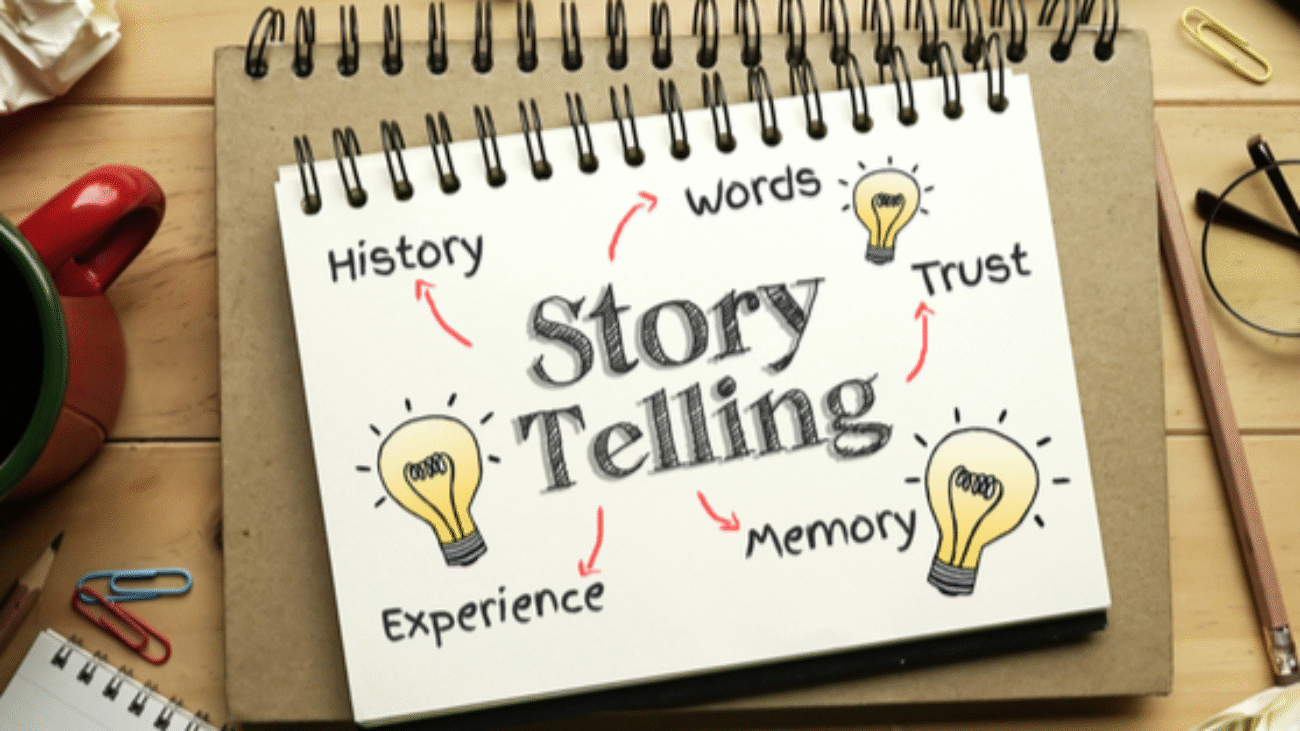
Storytelling is one of the oldest and most powerful forms of communication. From ancient cave paintings to modern movies and social media, humans have always used stories to connect, teach, and inspire. But what exactly is storytelling, and why is it so important in our lives today? Let’s explore this fascinating topic in simple words.
Understanding Storytelling
At its core, storytelling is the art of sharing experiences, ideas, or emotions through a structured narrative. It can be spoken, written, or visual. A story usually has characters, a setting, a problem, and a resolution. The goal is to engage the audience emotionally and intellectually.
Storytelling is not just about entertainment. It is about communication in a way that is relatable, memorable, and impactful. A good story captures attention, conveys meaning, and leaves a lasting impression.
Elements of a Good Story
To understand storytelling better, it helps to know its basic elements:
- Characters – These are the people, animals, or even objects that the audience can relate to. Characters drive the story forward.
- Setting – This is where and when the story happens. A vivid setting makes the story believable.
- Plot – The sequence of events in the story. A clear plot keeps the audience engaged.
- Conflict – Every story has a problem or challenge. Conflict creates tension, which makes the story interesting.
- Resolution – This is how the problem is solved. It gives the story meaning and satisfaction.
- Theme – The underlying message or lesson of the story. It’s what the storyteller wants the audience to take away.
By combining these elements, storytellers can create narratives that are not just entertaining, but also deeply meaningful.
The Importance of Storytelling
Storytelling is important for many reasons. It impacts how we think, feel, and connect with others. Here are some of the key benefits:
1. Building Connections
Stories help people connect with each other. When someone shares a personal story, it creates empathy. We can understand someone else’s experiences, emotions, and perspective. This connection is essential in families, friendships, workplaces, and communities.
For example, a teacher telling a story about their own struggles can inspire students. A brand sharing a customer success story can create trust and loyalty. In both cases, storytelling creates a human connection that facts and statistics alone cannot achieve.
2. Simplifying Complex Ideas
Some ideas are difficult to understand in abstract terms. Storytelling makes these ideas easier to grasp. By putting concepts into a narrative, people can relate them to real-life experiences.
For instance, a complex financial concept becomes easier to understand when explained through a story of someone managing their money wisely. Similarly, scientific discoveries or historical events are more engaging when presented as stories.
3. Preserving Culture and History
For centuries, stories have been a way to preserve culture and history. Myths, legends, and folktales carry traditions from one generation to another. They teach values, morals, and lessons without sounding like a lecture.
For example, Indigenous tribes around the world pass down their knowledge and traditions through storytelling. Without stories, much of human history and cultural heritage would be lost.
4. Inspiring Action
Stories can motivate people to act. When we hear a story that resonates with our values or emotions, it inspires us to make changes in our lives. This is why storytelling is powerful in marketing, social causes, and leadership.
Think about motivational speakers. They rarely just give advice; they share personal stories of overcoming obstacles. These stories inspire audiences to believe in themselves and take action.
5. Enhancing Memory and Learning
Humans remember stories better than facts. This is because stories engage our emotions and imagination, which strengthens memory retention. Educators and trainers use storytelling to help students remember lessons effectively.
For example, medical students often learn better when clinical cases are presented as stories rather than just bullet points. This method makes the learning process both enjoyable and effective.
6. Boosting Creativity and Imagination
Storytelling encourages creativity. It challenges people to think beyond the ordinary, imagine new worlds, and explore different perspectives. Writers, artists, and innovators all use storytelling to bring their ideas to life.
Even in everyday life, storytelling helps people think creatively. Explaining a situation in the form of a story allows for problem-solving and brainstorming in unique ways.
Storytelling in Modern Life
In today’s digital world, storytelling has taken on new forms. Social media, podcasts, videos, and blogs have made it easier to share stories globally. Businesses, educators, leaders, and individuals use storytelling to communicate effectively and leave an impact.
Examples in Modern Context
- Marketing: Brands tell stories to connect emotionally with their customers. Think of campaigns that focus on real people rather than just products.
- Education: Teachers use storytelling to make lessons engaging and relatable.
- Social Causes: NGOs and activists share stories to raise awareness and drive social change.
- Leadership: Leaders tell stories to inspire teams, communicate vision, and build trust.
Despite these new mediums, the essence of storytelling remains the same: connecting people through shared experiences.
How to Become a Better Storyteller
Anyone can become a better storyteller with practice. Here are some tips:
- Know your audience – Tailor your story to resonate with the people listening or reading.
- Start with a hook – Grab attention from the beginning with an interesting line or question.
- Use emotions – Stories that evoke emotions are more memorable.
- Be authentic – Share real experiences or believable scenarios.
- Keep it simple – Avoid overcomplicating the story. Focus on clarity and impact.
- End with a takeaway – Give your audience something meaningful to remember.
Storytelling is a skill that improves over time. The more you practice, the more natural and powerful your stories will become.
Conclusion
Storytelling is not just about telling tales; it is a powerful way to communicate, inspire, educate, and connect. From ancient myths to modern marketing campaigns, stories shape how we understand the world and relate to each other. The importance of storytelling lies in its ability to make complex ideas simple, preserve culture, inspire action, and create lasting emotional connections.
Whether you are a student, teacher, marketer, or just someone who enjoys sharing experiences, understanding storytelling and practicing it can greatly enhance your communication skills and personal growth. In a world full of information, stories are what truly make messages meaningful and memorable.
FAQs About Storytelling
1. What is the main purpose of storytelling?
The main purpose of storytelling is to communicate ideas, experiences, or emotions in a way that is engaging, memorable, and meaningful.
2. How does storytelling help in learning?
Storytelling makes learning easier because it engages emotions and imagination, helping people remember information better than simple facts.
3. Can anyone be a good storyteller?
Yes! Storytelling is a skill that can be developed with practice, by learning to engage audiences and convey meaningful messages.
4. Why is storytelling important for businesses?
Storytelling helps businesses connect emotionally with customers, build trust, and make their brand memorable.
5. What are the key elements of a story?
The key elements are characters, setting, plot, conflict, resolution, and theme. Combining these elements creates a compelling and memorable story.