
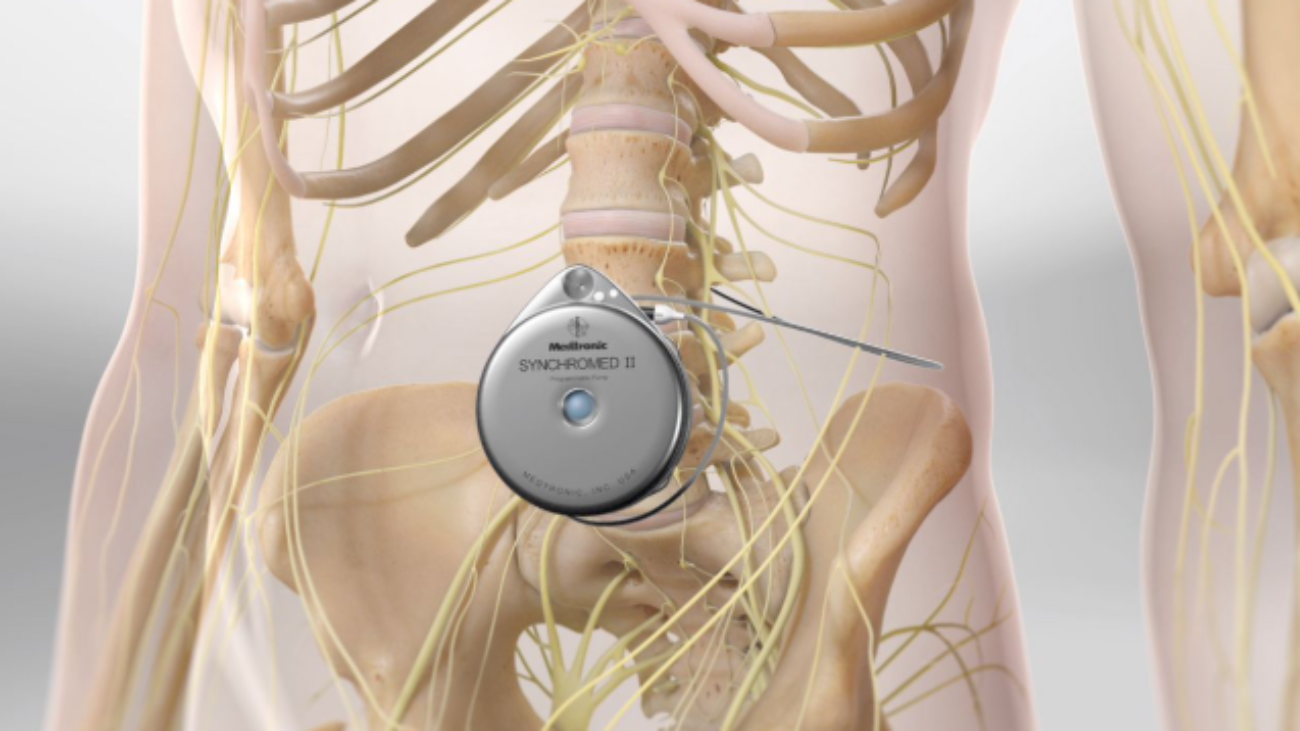
Spinal cord stimulation is a procedure that uses a small, implanted device to send low levels of electricity directly to the spinal cord. This process modifies or blocks nerve activity to minimize the sensation of pain reaching the brain. For individuals living with certain types of chronic pain, this treatment may offer a different approach after other therapies have not provided adequate relief. This is how this procedure may help manage chronic pain:
Significant Pain Reduction
Spinal cord stimulation works by disrupting pain signals. The implanted device sends mild electrical pulses, and these pulses interfere with the pain messages traveling to the brain. This interruption changes how the brain perceives pain, which may lead to a reduction in its intensity for some people. The goal is to provide a noticeable decrease in persistent discomfort.
The level of pain reduction varies among individuals. Some people report a substantial drop in their pain levels, while others experience more moderate relief. A trial period is conducted before permanent implantation so that you and your doctor can assess the device’s effectiveness for your specific condition. This trial allows for a personalized evaluation of the potential pain management benefits.
Increased Function
With a potential reduction in pain, some individuals find they can engage more in daily activities. Managing chronic pain is typically exhausting, but a decrease in discomfort may free up physical and mental energy. This newfound energy allows people to return to hobbies, work, or social events that were previously too difficult to manage.
Restoring movement is a key objective for many who explore this therapy. An increase in function could mean:
- Walking longer distances
- Standing for extended periods
- Performing household chores with greater ease
These improvements are personal and depend on an individual’s specific circumstances and response to the treatment.
Many people find that they regain a sense of independence they had lost. Before the procedure, simple tasks might have required assistance from others. After finding a level of pain relief, individuals may be able to complete these tasks on their own, which can be a meaningful step toward reclaiming their daily routine.
Reduced Need for Opioids
Some individuals undergoing spinal cord stimulation may find they can lower their intake of pain medications, including opioids. This reduction is typically a primary goal for both patients and doctors, given the potential side effects and risks associated with long-term opioid use. This option offers a non-pharmacological method for managing pain, which can complement a broader pain management strategy. A decrease in medication is always managed carefully with a physician to support a safe transition.
Improved Quality of Life
Chronic pain affects nearly every aspect of a person’s life, from mental health to personal relationships. A potential decrease in pain and an increase in function may contribute to an overall better quality of life. Simple pleasures, such as playing with grandchildren or taking a walk, may become possible again. The focus shifts from merely enduring pain to actively participating in life.
Schedule Spinal Cord Stimulation
This approach presents a potential path for managing certain chronic pain conditions when other treatments have not been successful. This procedure has been used for many years, and the technology continues to evolve. If you are struggling with chronic pain and want to learn if spinal cord stimulation is a suitable option for you, schedule a consultation with our specialists to discuss your condition and explore your treatment possibilities.