
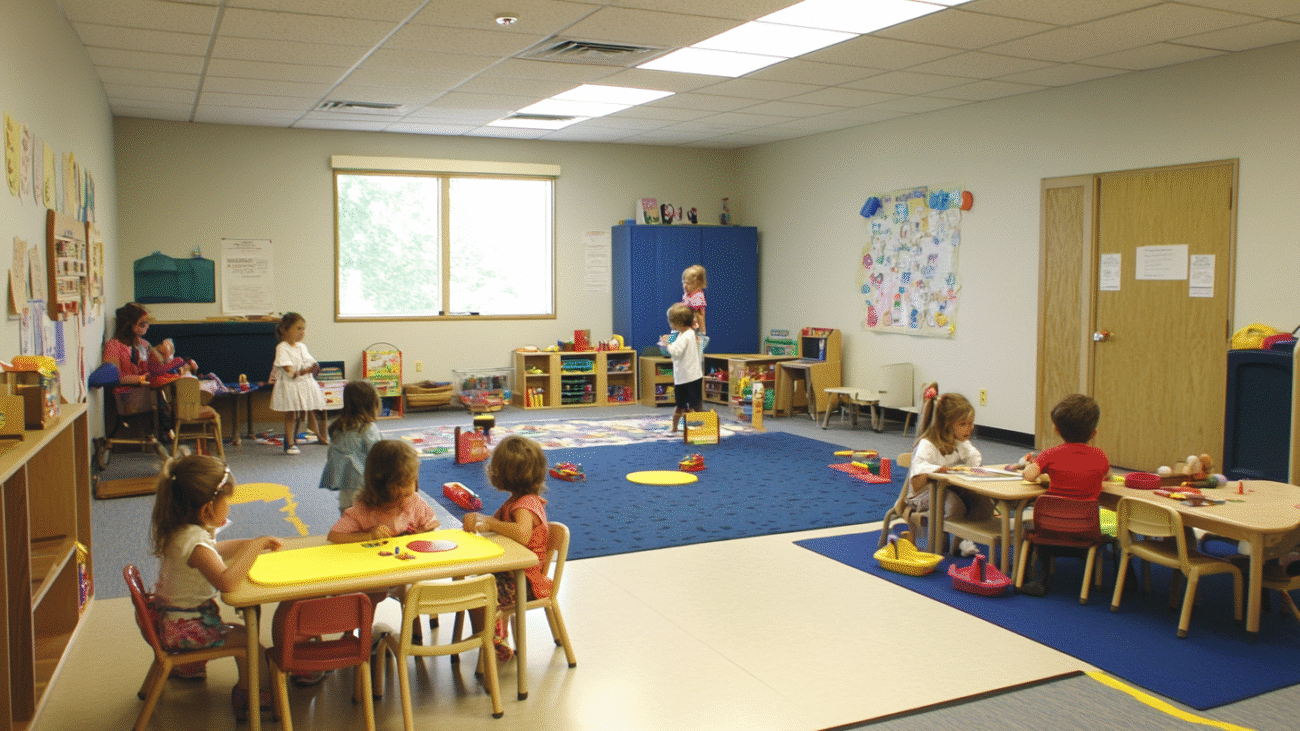
High-quality portable classrooms are designed to be safe and comfortable, and they support effective, accessible learning. These modular spaces can be tailored to students’ and educators’ needs, creating an environment that supports focus and engagement. Here are some tips for creating a safe and comfortable learning environment in portable classrooms:
Assess Classroom Needs
Before introducing modular classrooms, schools should identify safety, accessibility, and comfort requirements to create a supportive learning environment. A structured approach helps classrooms address various conditions, from weather events to electrical and fire safety. Features such as smoke detectors enhance protection, and they allow students and staff to respond quickly, promoting a safe learning atmosphere.
Assessing classroom safety needs also includes evaluating accessibility and comfort to better support students. A well-designed modular classroom is quiet and accommodates a range of academic requirements. Sound-insulating materials can minimize distractions for students.
Clear pathways and accessible entrances help support students and staff with varying mobility needs. To enhance temperature control, portable classrooms can be equipped with HVAC systems. This feature helps maintain a comfortable setting year-round, and it’s ideal for regions that experience seasonal temperature extremes or fluctuating weather.
Design Comfortable Learning Layouts
Portable classrooms are customizable, and they can be designed with layouts that promote comfortable learning. Optimizing natural light, acoustics, circulation, and supervision in mobile classrooms begins with architectural design and engineering services. Engineers may provide recommendations to balance the structure’s design, supporting a safe and comfortable educational environment.
Incorporating Building Information Modeling (BIM) helps coordinate classroom layouts and sightlines. This process involves digital planning, and it allows designers to visualize and coordinate building systems before construction. Thoughtful lighting, airflow, and sound enhancements further improve comfort throughout the school day. Collaborating with a modular design team allows schools to integrate features that guide student flow, reduce distractions, and support effective supervision, creating a more comfortable learning environment.
Plan the Delivery and Installation
Delivery of portable classrooms involves professional site preparation and installation. Installation crews prepare the foundation, and they place and anchor the modular units. They connect necessary utilities such as electricity, water, and HVAC systems. These crews also make sure classrooms are accessible by installing stairs and ramps at entry points, creating a safe and functional learning environment. They set up modular classrooms in accordance with the design requirements, confirming that each unit is fully prepared for occupancy.
To keep students comfortable, portable classrooms should be placed on level, well-drained sites with adequate sunlight and natural airflow. Proper spacing between units allows for outdoor movement, emergency access, and sufficient ventilation, while minimizing noise and distractions from surrounding areas. Planning the layout carefully also makes sure utilities are easily accessible. It verifies that classrooms remain safe, comfortable, and fully functional throughout the school year.
Coordinate Permitting and Procurement
Schools looking to add modular classrooms can rely on professional support for permitting, site preparation, and installation. Some building providers assist with compliance with local codes and site requirements, and they help make sure modular units are delivered and installed safely. Eligible schools and institutions may use purchasing cooperative contracts to acquire modular buildings in compliance with competitive bidding regulations. Options include both leasing and purchasing prefabricated classrooms, providing flexible solutions for short- or long-term space needs. Planning and site preparation services help streamline installation, and they make sure classrooms are safe and ready for occupancy.
Explore Portable Classrooms Today
Professional vendors plan and construct mobile classrooms from layout to completion, creating environments that support learning. Assessing school safety needs in advance helps guide the development of customized modular plans. It can promote code-compliant permitting, and it helps organize delivery schedules. Modular construction also offers the flexibility to expand classrooms as schools grow, without waiting for permanent construction. Contact a modular building provider today to learn more about their portable classroom designs.