
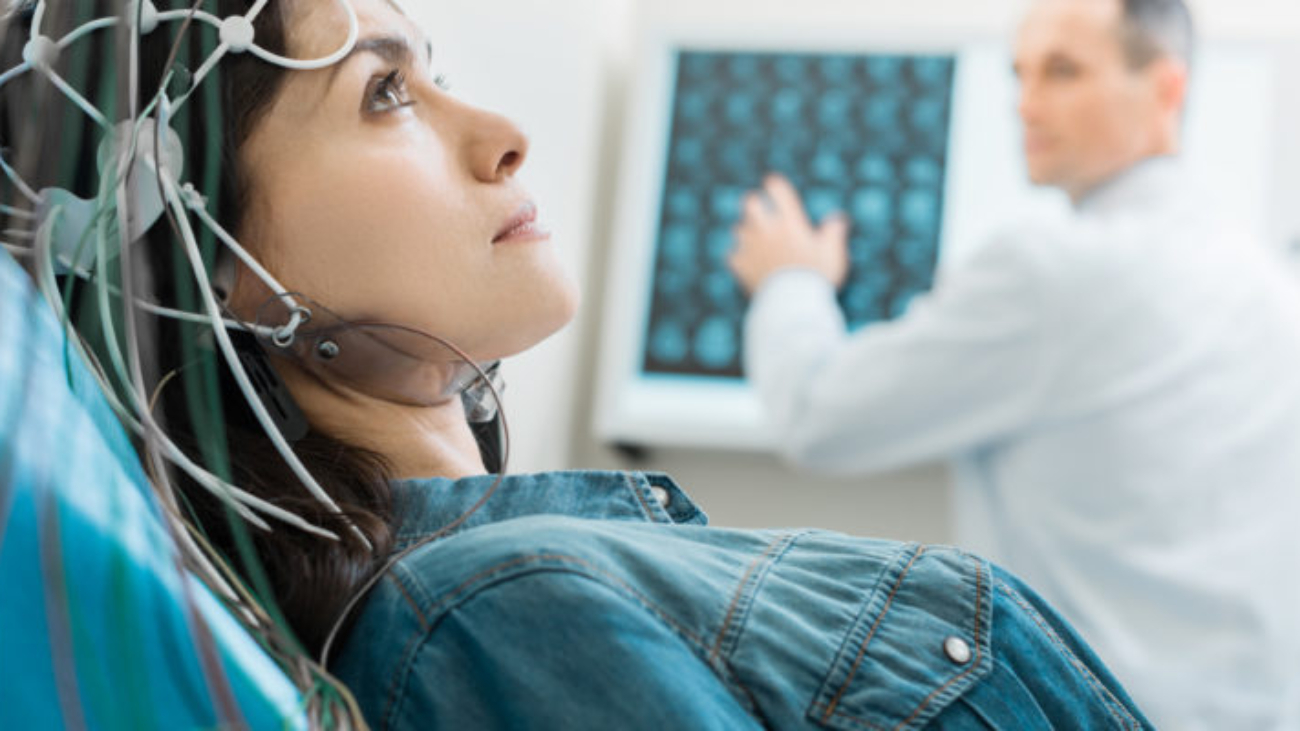
Epilepsy affects the central nervous system. When standard medical therapies fail to manage it, epilepsy requires precise medical intervention. Neurological surgeons can offer advanced procedures and help manage treatment-resistant cases.
What Is Epilepsy?
Epilepsy is a chronic neurological disorder that causes recurrent, unprovoked seizures. These events occur when clusters of neurons in the brain transmit abnormal electrical signals at rapid rates, altering normal brain function. This leads to temporary changes in awareness, movement, or sensation. Seizures vary widely in their presentation and duration. Some individuals experience brief lapses in attention or minor muscle twitches. Others endure prolonged muscle contractions and a total loss of consciousness.
Medical professionals classify these episodes into distinct categories. Focal seizures originate in one specific brain region and may affect just one side of the body. Generalized seizures affect both brain hemispheres simultaneously, resulting in more systemic physical responses. A single seizure does not automatically mean a person has epilepsy. Specialized testing helps doctors evaluate the exact nature of the electrical disturbances.
What Causes It?
The exact origin of this neurological disorder remains unknown in many diagnosed cases. In the remaining instances, medical experts link the condition to a variety of genetic and environmental factors. Genetic mutations can alter how brain cells communicate. Certain inherited traits make individuals more susceptible to abnormal electrical activity, and developmental brain abnormalities formed before birth can lead to structural issues that cause seizures later in life.
Other recognized causes include acquired structural abnormalities in the brain, such as benign or malignant tumors. Traumatic brain injuries resulting from accidents, sports impacts, or falls can damage delicate neural pathways and initiate seizure activity. Vascular issues may disrupt blood flow to the brain. This can damage tissue and create a focal point for seizures.
How Is It Treated?
Neurological surgeons may step in when patients do not respond to standard pharmacological treatments. Surgical intervention aims to reduce the frequency of seizures or eliminate them entirely. Before proceeding, specialists may conduct extensive evaluations. They use imaging technologies like functional magnetic resonance imaging to locate the exact source of the electrical disturbances.
A common approach involves a craniotomy. During this procedure, a surgeon temporarily removes a portion of the skull to access the brain. The medical team may identify a specific lesion, tumor, or localized tissue area responsible for the seizures and extract it. This targeted removal stops the abnormal signals from spreading to other unaffected brain regions.
Reach Out to Neurological Surgeons
Preparing for a surgical consultation can require some preparation. Patients may need to provide past imaging results and relay their history of seizure activity. Patients can compile a list of questions regarding the risks, recovery timelines, and anticipated outcomes of each specific procedure. Engaging a specialized medical team provides access to the latest advancements in surgical technology and targeted post-operative rehabilitation. Ongoing monitoring following any surgical procedure maximizes the likelihood of a successful recovery and helps patients manage their neurological health effectively over the long term. Contacting a certified neurosurgical practice is the recommended next step for exploring these advanced treatment pathways.