
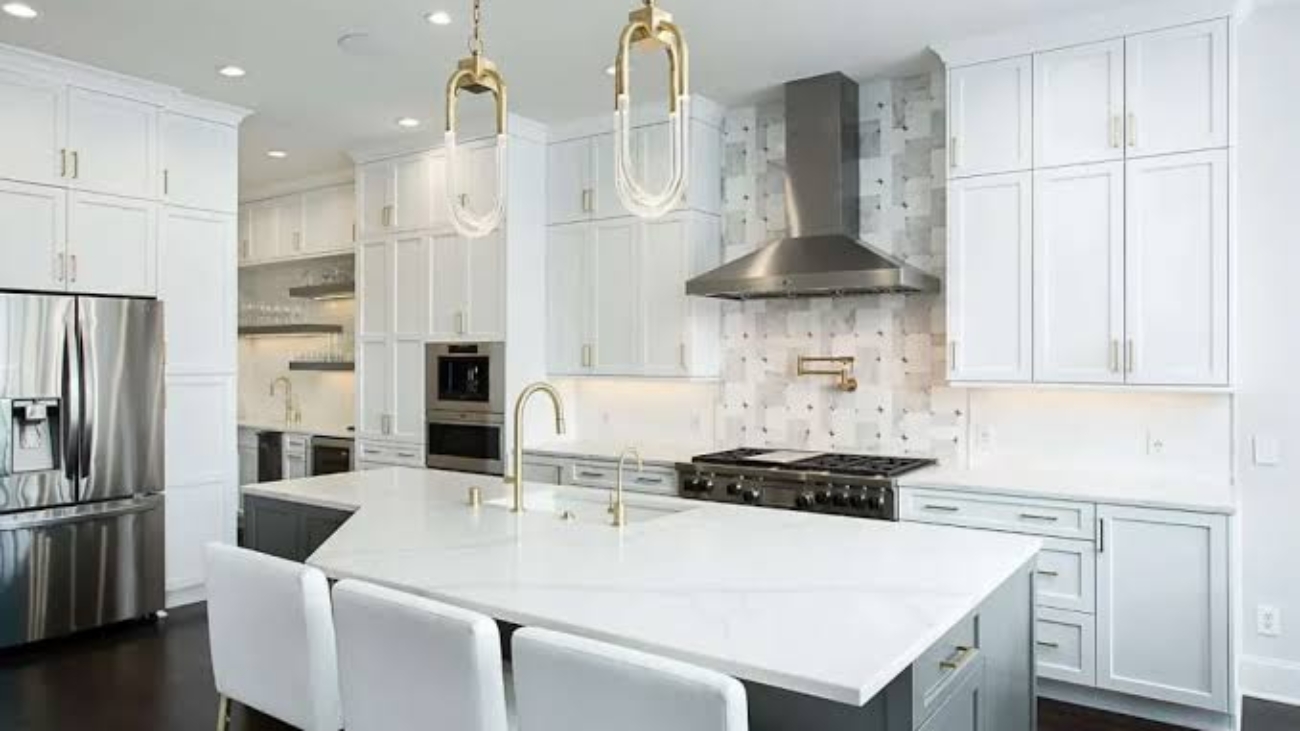
Kitchen remodeling involves updating an outdated kitchen, often including changes to its structure and layout. Homeowners frequently compare DIY approaches with professional services because each differs in how planning and execution are handled. The process usually includes several key stages, such as design, material selection, and installation, all of which require careful coordination. Here are the differences between DIY and professional kitchen remodeling:
Showroom Planning
Kitchen remodeling begins with a trip to the showroom, where homeowners explore cabinets, appliances, countertops, and hardware for the space. Homeowners review available design options and talk to employees about preferences. Professionals guide this stage, coordinating selections with layout and project requirements, and they provide insight into material compatibility.
A DIY approach requires homeowners to handle all research, measurements, and product comparisons themselves. Doing this allows increased personal control, but managing the materials demands extra time. Contractors bring appliances, fixtures, and cabinets together in practical layouts, while property owners focus on decisions rather than logistics. Both approaches involve evaluating finishes and layout, but designer-guided remodeling organizes these steps into a streamlined process.
In-Home Review
Kitchen remodeling progresses with an in-home visit that gathers the information needed to move the project from initial concept into structured planning. In a professional remodel, designers record the existing conditions in detail. They document dimensions, fixed features, and constraints that shape the layout.
Homeowners contribute practical insights into how the kitchen is used, including cooking routines, storage priorities, and workflow patterns. This input allows contractors to make sure the designs align with the function and structure of the space. They also verify that the space matches the desired aesthetic.
A DIY remodel also begins with evaluating the current kitchen, but the responsibility for measurement and assessment falls entirely on the property owner, including identifying spatial limitations and irregularities. Professional remodeling integrates homeowner input with a formal site evaluation. Both approaches depend on a clear understanding of the existing kitchen, yet they differ in how information is gathered, recorded, and organized into actionable design requirements.
Construction Execution
Once planning is finalized, a remodeling crew begins demolition by removing kitchen fixtures and finishes. Utility lines running through walls or flooring are temporarily shut off to maintain safety while work is underway. The crew then takes out cabinetry, appliances, and surface materials; they also selectively remove walls or flooring to expose the underlying structure and prepare the area for reconstruction. This sequence keeps the worksite controlled and ready for the next phase of installation.
In a professional remodel, homeowners typically stay involved through observation and communication rather than hands-on execution of technical steps. Their role centers on confirming decisions and addressing questions as the space is cleared and evaluated. In a DIY approach, the same demolition tasks fall to the property owner, requiring direct handling of removal work and coordination of safety precautions without a dedicated crew.
Final Review
Contractors install cabinetry, countertops, flooring, appliances, lighting, backsplashes, and fixtures according to the approved layout. They then complete a final inspection and cleanup, confirming that installations are secure and functional. Homeowners may add new appliances once the space is ready for use. In a DIY approach, homeowners are responsible for checking installation quality and making any necessary adjustments themselves.
Begin Your Kitchen Remodeling
Kitchen remodeling involves planning, design, construction, and a final review. DIY and professional approaches both move through these phases, but they differ in how responsibilities are managed and coordinated. Working with an expert helps transform your old kitchen design into a new layout. Contact a remodeling team to schedule an appointment and start on your kitchen renovation.