
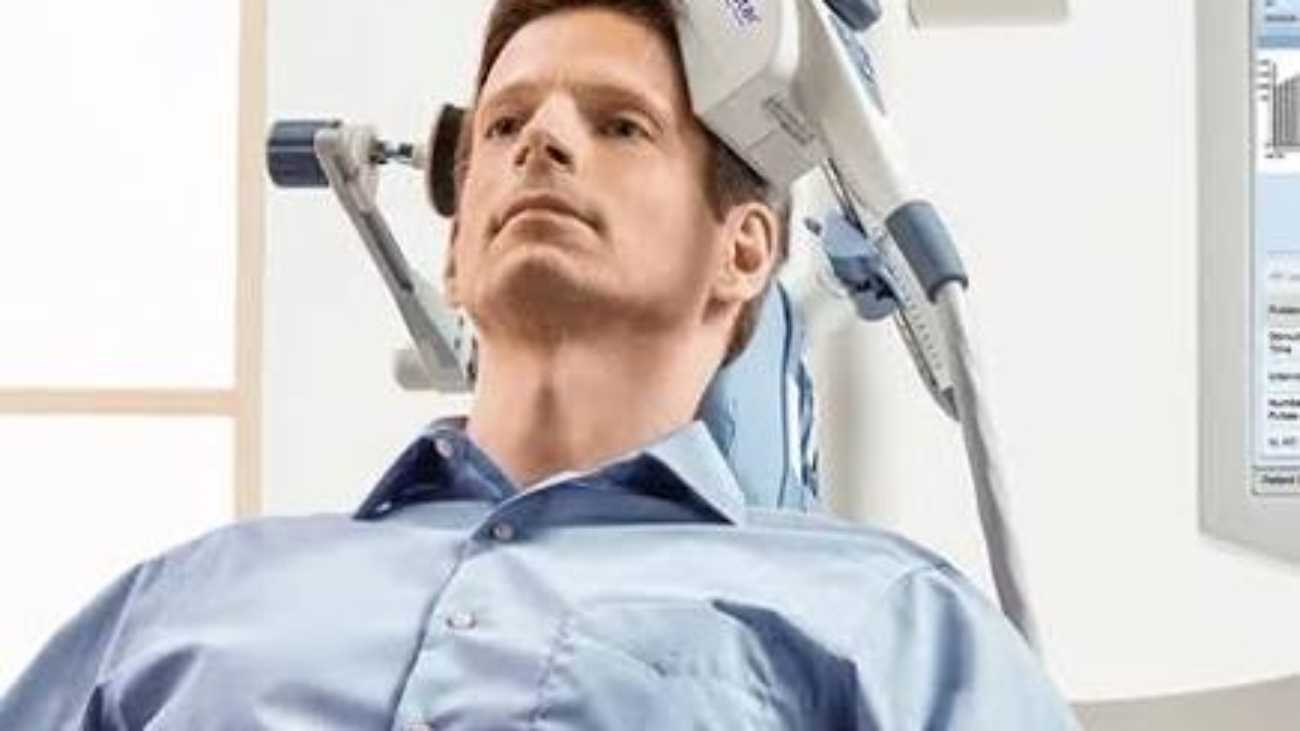
Transcranial magnetic stimulation (TMS) is a non-invasive brain stimulation therapy, and it uses magnetic pulses to activate nerve cells in specific regions of the brain. Psychiatrists commonly use TMS to treat depression and other mental health conditions, which is helpful when medications have not produced adequate results. Understanding what TMS is, how it works, and who stands to benefit from it can help patients make more informed decisions about their psychiatric care.
What Is Transcranial Magnetic Stimulation?
Transcranial magnetic stimulation is a non-invasive neurostimulation procedure used in psychiatric medicine. A device is positioned near the patient’s scalp, and it delivers focused magnetic pulses to targeted brain areas, which allows clinicians to modulate neural activity without surgical intervention. TMS does not involve implants, incisions, or general anesthesia, and patients do not require sedation. The procedure is administered in a clinical setting. Sessions typically last between 19 and 37 minutes, during which patients remain awake and alert.
How Does It Work?
Transcranial magnetic stimulation operates by utilizing electromagnetic fields to stimulate specific neural pathways in the brain.
- An electromagnetic coil placed against the patient’s scalp generates brief, repetitive magnetic pulses.
- Magnetic pulses pass non-invasively through the skull to induce localized electrical currents in the underlying cortical tissue.
- The stimulation may target the left dorsolateral prefrontal cortex, the region responsible for mood regulation and executive functioning.
Over the course of a complete treatment regimen, these localized sessions can produce sustained modifications in overall brain activity.
Who Does It Help?
TMS is primarily indicated for adults diagnosed with major depressive disorder, and it may be recommended when patients have not responded adequately to one or more antidepressant medications. This population is referred to as having treatment-resistant depression. TMS is also used for post-traumatic stress disorder (PTSD), which makes it a viable option for patients experiencing symptoms that extend beyond depression.
Psychiatrists may recommend TMS for patients who cannot tolerate antidepressant side effects. It is also an option for those for whom medication is contraindicated, and it helps them find relief. Although the procedure is not suitable for everyone, a psychiatrist can evaluate each case and suggest appropriate treatment options.
What Are the Benefits?
TMS is a non-invasive therapeutic procedure. Because TMS does not require anesthesia or induce seizures, it carries a relatively low risk of cognitive side effects. Patients remain fully conscious throughout the process, and they can resume their regular daily routines immediately after the session.
Patients with treatment-resistant depression may experience a significant reduction in symptoms, and this helps improve their overall quality of life. Adverse effects associated with TMS are typically mild and transient. Although patients may experience mild headaches or scalp discomfort, these symptoms generally resolve shortly after the treatment session.
Learn More From a Psychiatrist
Transcranial magnetic stimulation is a psychiatric treatment used for treatment-resistant depression and other psychiatric conditions. TMS works by delivering targeted magnetic pulses to specific brain regions; this produces changes in neural activity without surgery or sedation. It is a valuable option for adults who have not found relief through medication alone. If you have a psychiatric disorder, speak with a psychiatrist to determine whether TMS is an appropriate treatment for you. A qualified clinician can assess your medical history, evaluate prior treatments, and develop a care plan tailored to your needs.