
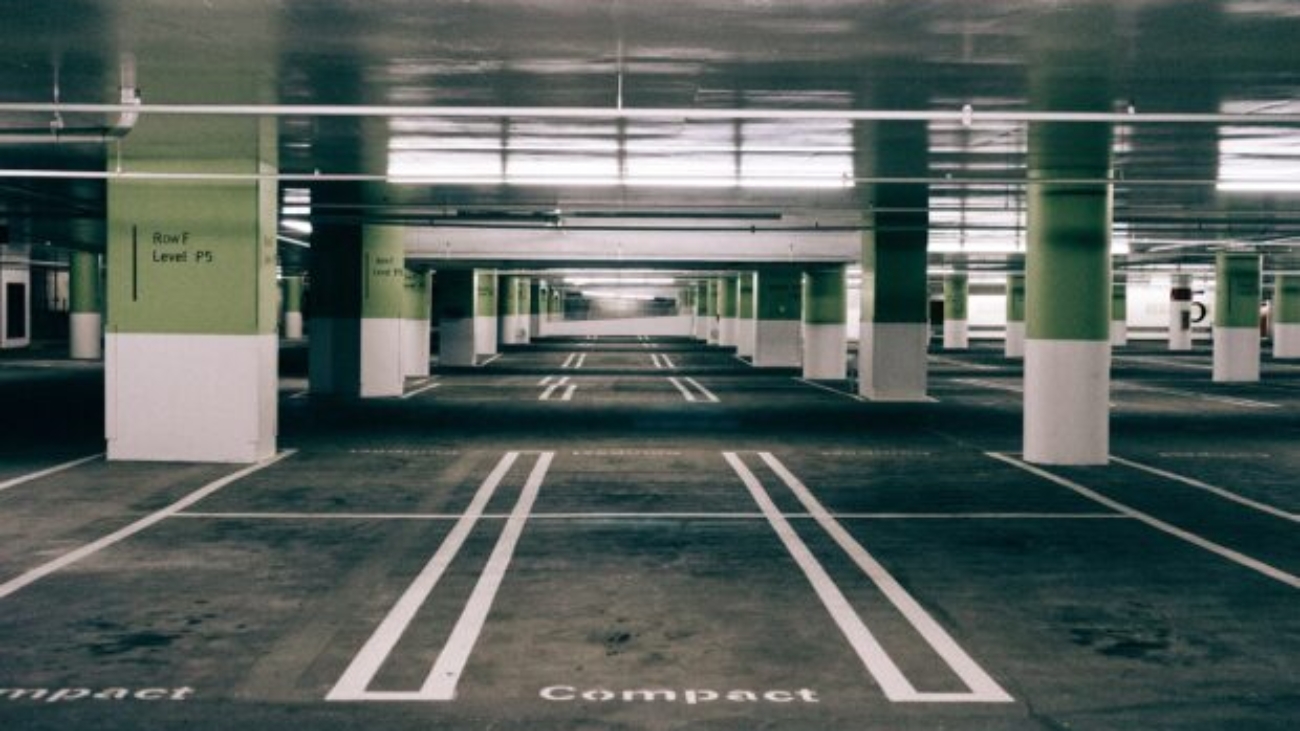
Circling a confusing garage, missing turns, or waiting in long queues can make parking a time-consuming experience. These problems often stem from design factors that determine how easy it is to enter or exit a facility. Because not all parking garages approach access layouts with the same attention, understanding which features to look for can help you make an informed choice. Here are some factors you should evaluate for a smooth parking experience:
Entrance Approach and Street Access
The approach to a parking garage often determines how easy it is to enter the facility. An entrance visible from a reasonable distance lets you prepare for a turn without slowing in traffic unexpectedly. Entrance signage should be boldly written, positioned at street level, and well-lit to support clear visibility under varying conditions.
Garages with straight-in entrances allow you to maintain a steady speed, and they require minimal steering adjustments. Facilities with sharp-angle turns may require you to slow down considerably. Multiple steering corrections typically cause congestion during peak hours. It’s also good to evaluate the width at the narrowest point, because support columns can create bottlenecks soon after the entrance.
Street positioning also plays a role in determining ease of access. Entrances near busy intersections or immediately after sharp turns can lead to slowdowns and congestion, especially during rush hour. When access from the street is unobstructed, there is a seamless transition from the roadway into the garage.
Valet Operations or Self-Park Systems
Garages use valet parking or self-park systems, each offering a different parking experience. A valet will park your car for you, but efficiency depends on the attendant’s availability and speed. During rush hours, retrieval time can exceed the advertised estimate. This is because attendants manage multiple cars simultaneously.
Self-parking gives you immediate access to your car. It eliminates reliance on attendants, but it requires you to navigate the parking structure on your own. Choosing between a valet-operated garage and a self-service one often depends on your schedule. The valet system works well if you park and retrieve during off-peak hours when attendants are fully staffed. Self-park is suitable for irregular schedules or when staff services might be limited.
One-Way Vs. Two-Way Configuration
The ramp design influences internal traffic flow, affecting ease of navigation and safety. A one-way ramp design separates ascending and descending traffic onto different paths. This eliminates the possibility of head-on encounters, and it makes routes easier to follow. Two-way ramp systems help save space, but they require extra caution. Vehicles moving in different directions must negotiate turns. This strategy can slow progress and increase hesitation and congestion. By evaluating ramp configuration before choosing a garage, you are able to gauge whether your entrance or exit will be affected by the garage design.
Payment Processing Efficiency
How quickly you leave a garage can depend on where payment occurs and how the system processes transactions. Facilities that require you to locate a payment booth at a different level before returning to your car add extra time to every exit session. Some parking garages use automated payment systems and number plate recognition, which eliminates the need for a physical payment booth. This can greatly reduce the exit time and potential queues.
Find the Right Parking Garages
Choosing a garage with easy exits and entrances can save you time that would otherwise be lost navigating confusing layouts. Well-designed entry and exit systems also help reduce vehicle damage from tight clearances or awkward layouts. Before choosing a facility, evaluate it to gauge whether it meets your parking needs. Reserve a space in your ideal facility through a parking reservation system today.