
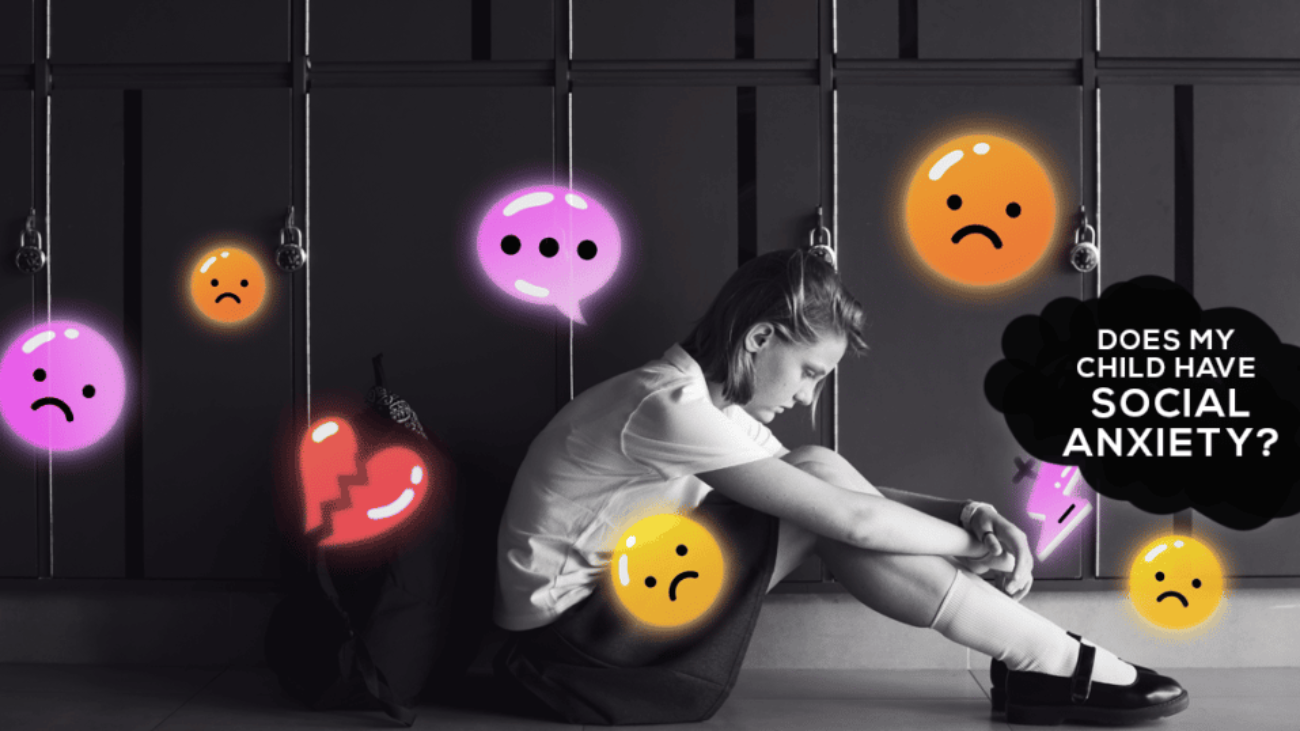
Anxiety in children can manifest differently from that in adults. Children may not always articulate their feelings clearly, so understanding the behavioral and physical indicators becomes necessary for parents and guardians. Here is more information on childhood anxiety, its causes, types, symptoms, and steps you can take to address it:
What Is Anxiety?
Anxiety is a natural response to stress or perceived threats, and it serves a protective function. In children, anxiety becomes a concern when it interferes with daily activities, relationships, or development. While occasional worry is normal, persistent cases that disrupt a child’s ability to function may indicate a mental health disorder.
What Causes It?
Anxiety in children stems from multiple factors. Identifying the root cause is beneficial in determining the appropriate approach. Genetic predisposition plays a role, as children with a family history of the condition may be more susceptible. Brain chemistry and hormonal imbalances also contribute to mental health disorders.
Environmental factors are significant in the development of the condition. Stressful life events such as parental separation, moving to a new location, or experiencing trauma can trigger disruptive symptoms. Temperament and personality traits influence how children respond to stressors, and some children are more prone to worry and nervousness. Recognizing these contributing factors allows parents and guardians to provide targeted support.
What Are the Different Types?
Anxiety disorders in children take several forms, and each type presents distinct characteristics. Generalized anxiety disorder involves excessive worry about various aspects of life, including school performance, friendships, and family matters. Children with this disorder may struggle to control their worry.
Social anxiety disorder involves intense fear of social situations and scrutiny by others, which can lead to avoidance of school or social activities. Specific phobias are characterized by intense fear of particular objects or situations, such as animals, heights, or medical procedures. Panic disorder involves recurrent panic attacks and fear of future attacks, and professional intervention is recommended.
What Are the Symptoms?
Recognizing anxiety symptoms in children requires attention to emotional, physical, and behavioral changes. Children typically express excessive fear, worry, or irritability. They can become clingy or unable to calm down, and they may voice concerns about things that seem unlikely to happen.
Physical symptoms sometimes accompany this condition, and they may include headaches, stomachaches, muscle tension, and fatigue. Behavioral changes are sometimes the most visible signs of anxiety in children. A child may avoid situations that trigger anxiety, such as refusing to attend school or participate in activities they previously enjoyed. Restlessness, difficulty concentrating, and frequent need for reassurance are additional behavioral indicators.
How Is Anxiety Addressed?
Addressing this condition involves a combination of professional support and home-based strategies. Consulting with a mental health professional helps in obtaining an accurate diagnosis and treatment plan. Cognitive-behavioral therapy treats childhood anxiety by helping children identify and modify anxious thoughts and behaviors. Parents and guardians play a key role in supporting anxious children, and creating a stable, predictable environment helps reduce uncertainty and stress.
Seek Professional Support Today
Recognizing and addressing anxiety in children requires awareness of the various forms it can take and the symptoms that may arise. Professional evaluation and intervention are beneficial when anxiety persists or interferes with daily life. Consult a mental health professional today and learn more about supporting your child’s mental health.