
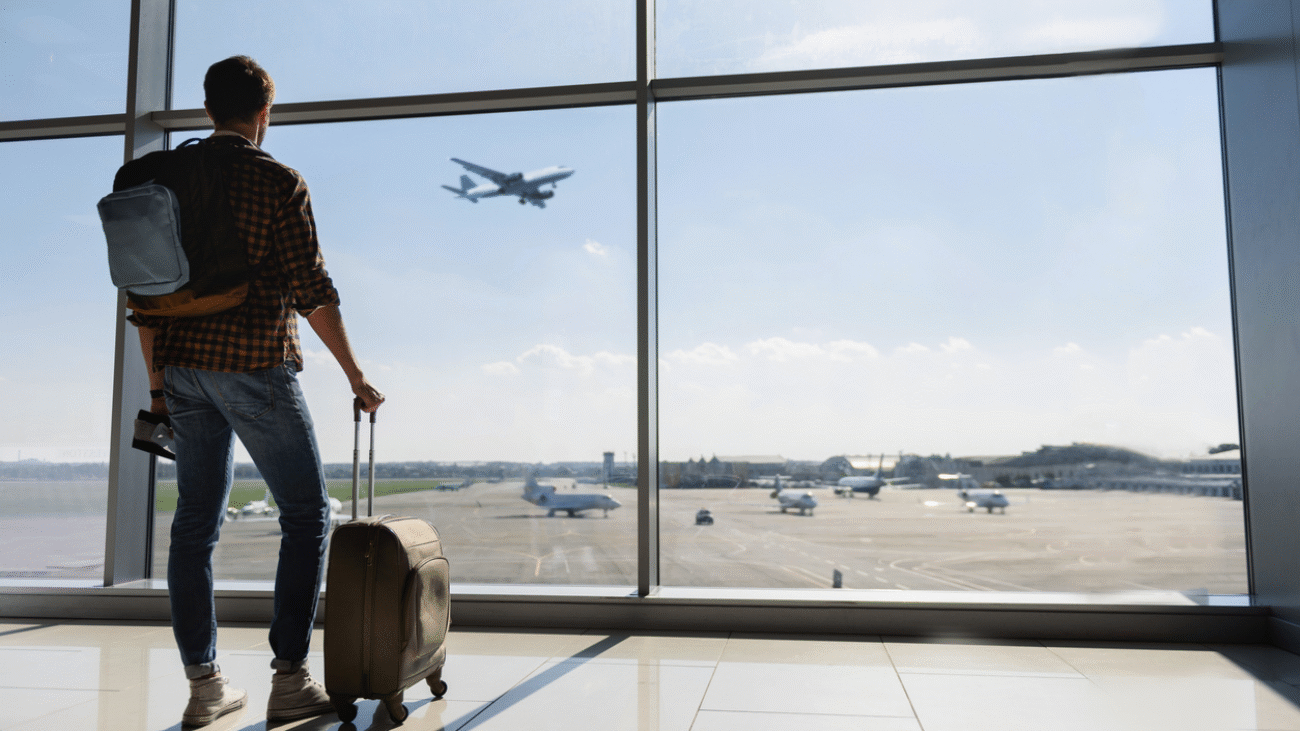
Traveling for the first time can be both exciting and overwhelming. The thought of exploring new places, experiencing different cultures, and meeting new people is thrilling, but it can also feel stressful if you don’t know where to start. Don’t worry—whether you’re planning a weekend getaway or a long overseas trip, these travel tips for first-time travelers will help you feel confident, prepared, and ready to enjoy every moment of your adventure.
1. Plan Ahead, But Don’t Overdo It
Planning is important, especially for first-time travelers. Start by choosing your destination carefully. Consider factors like the weather, local culture, language, and safety. Once you’ve picked a place, list the activities and attractions you really want to see.
Booking your flights, accommodations, and major transportation in advance can save you both money and stress. Use reliable websites or travel agencies to find good deals. However, don’t over-schedule your trip. Allow some flexibility to explore unexpected spots, relax, or meet locals. Sometimes the best travel memories come from unplanned experiences.
Tip: Make a simple itinerary with time blocks rather than a rigid schedule. This helps you stay organized without feeling pressured.
2. Pack Smart, Not Heavy
Packing can be tricky for first-timers. One of the biggest mistakes travelers make is overpacking. Remember: you’ll probably end up buying souvenirs or clothes on your trip, so leave space in your luggage.
Here are some packing tips:
- Make a checklist: Include essentials like travel documents, chargers, medications, and comfortable clothing.
- Pack versatile clothes: Neutral colors and layers work well for different weather conditions.
- Carry a small backpack: Useful for day trips and keeping your valuables safe.
- Don’t forget a travel-sized first aid kit: Band-aids, painkillers, and antiseptic wipes can save the day.
Tip: Roll your clothes instead of folding them. It saves space and reduces wrinkles.
3. Keep Your Documents and Money Safe
For first-time travelers, keeping important documents safe is crucial. Make copies of your passport, ID, visas, and tickets. Store a digital copy in your email or cloud storage.
When it comes to money, diversify your options:
- Carry a small amount of local cash.
- Bring a credit card or travel card for emergencies.
- Avoid keeping all your money in one place. Consider a money belt or hidden pouch for safety.
Tip: Learn a few basic phrases in the local language, especially for emergencies. It can help you communicate with locals if needed.
4. Research Local Customs and Culture
Every country has its own traditions, etiquette, and rules. First-time travelers often make mistakes by not understanding local customs. Before traveling, read about the local culture, tipping norms, dress codes, and greetings.
Respecting cultural differences will make your trip smoother and help you connect better with locals. For example, in some countries, tipping is expected, while in others it might be considered rude. Similarly, certain clothing might be required when visiting religious sites.
Tip: A little research goes a long way. Locals appreciate when visitors respect their culture.
5. Travel Insurance is a Must
Travel insurance might seem like an unnecessary expense, but it’s essential for first-time travelers. It can cover medical emergencies, trip cancellations, lost luggage, and even travel delays.
Choose insurance based on your destination and type of activities. Adventure sports like skiing or scuba diving may require specialized coverage. Knowing you’re protected gives you peace of mind and lets you enjoy your trip without worrying about “what ifs.”
6. Stay Healthy While Traveling
Staying healthy is crucial to enjoy your trip. Long flights, different cuisines, and new environments can sometimes take a toll on your body.
Here are some tips to stay healthy:
- Drink plenty of water, especially on flights.
- Avoid street food if your stomach is sensitive, or choose busy spots where locals eat.
- Wash your hands frequently or use hand sanitizer.
- Take breaks and get enough sleep.
- Pack basic medications for headaches, stomach issues, or allergies.
Tip: Carry a reusable water bottle and snacks for long journeys. It saves money and keeps you energized.
7. Use Technology to Your Advantage
Apps can be a lifesaver for first-time travelers. Here are some essential types of apps to consider:
- Navigation apps like Google Maps or maps.me for easy directions.
- Translation apps to overcome language barriers.
- Currency converters to avoid confusion when shopping.
- Travel planners for tracking flights, accommodations, and activities.
- Ride-hailing apps for safe local transport.
Tip: Download offline maps and important information. This is helpful in areas with poor internet connectivity.
8. Make Local Connections
Meeting locals can make your first travel experience unforgettable. Engage with locals respectfully, ask for recommendations, or join community events. It can lead to unique experiences that aren’t in guidebooks.
Also, connecting with other travelers can be fun. Hostels, guided tours, and social travel apps are great ways to meet people and share experiences.
Tip: Always follow safety guidelines when meeting new people, especially in unfamiliar places.
9. Be Flexible and Patient
Travel doesn’t always go as planned. Flights may be delayed, weather may change, or attractions may be closed. The key to enjoying your trip is flexibility and patience.
Instead of stressing over small setbacks, try to see them as part of the adventure. Sometimes, delays or detours lead to the most memorable experiences.
Tip: Keep a positive mindset. A smile and patience can turn challenges into fun stories later.
10. Capture Memories, but Don’t Forget to Live in the Moment
It’s tempting to spend every second taking photos or videos, but remember to enjoy the experience firsthand. Take pictures sparingly and focus on creating memories.
Journaling your travel experiences can also be rewarding. Writing about your day, the people you meet, and the feelings you have helps preserve memories in a way photos cannot.
Tip: Try local activities and immerse yourself in the culture. Sometimes, the best souvenirs are the experiences themselves.
FAQs: Travel Tips for First-Time Travelers
1. How early should I start planning my first trip?
It’s best to start planning at least 2-3 months in advance. This gives you enough time to book flights, accommodations, and research activities without feeling rushed.
2. What is the most important thing to pack for a first trip?
Travel documents, medications, a versatile wardrobe, and a small first aid kit are essentials. Always include a portable charger and reusable water bottle.
3. Is travel insurance really necessary for first-time travelers?
Yes. Travel insurance protects you from unexpected medical emergencies, trip cancellations, and lost luggage. It’s better to be safe than sorry.
4. How can I save money as a first-time traveler?
Book flights and accommodations early, travel during off-peak seasons, use public transport, and eat like locals. Avoid tourist traps for shopping and dining.
5. How can I handle language barriers in a foreign country?
Learn basic phrases in the local language, use translation apps, and carry a small phrasebook. Smiling and being polite goes a long way in communication.
Traveling for the first time doesn’t have to be intimidating. With careful planning, smart packing, and an open mind, your first adventure can be exciting, safe, and unforgettable. Remember to stay flexible, respect local cultures, and enjoy every moment—because traveling is not just about reaching your destination, but also about the journey itself.